
How to fit yield stable savings into your 2026 budget
Building a budget for yield stable savings in 2026 requires balancing liquidity needs against the current rate environment. With high-yield savings accounts offering up to 4.50% APY on select balances, your emergency fund can work harder without taking on equity risk. However, the "best" rate often comes with conditions, such as direct deposit requirements or balance caps, which must factor into your monthly cash flow planning.
When allocating funds, treat high-yield savings and CDs as the foundation of your short-term budget. A $10,000 three-month CD in 2026 typically earns between $90 and $110, depending on the institution. This predictable income helps cover quarterly expenses or replenish a rainy-day fund, providing stability that volatile investments cannot offer. Use these instruments to lock in rates for money you won't touch for at least 90 days.
For larger budgets or longer time horizons, consider that 10% returns on safe, liquid savings are no longer realistic in the current low-to-mid rate cycle. Achieving double-digit yields usually requires investing in equities or private credit, which introduces principal risk. For the core of your budget, prioritize FDIC-insured accounts that protect your capital while generating modest, reliable interest. This approach keeps your essential funds accessible and protected from market downturns.


As an Amazon Associate, we may earn from qualifying purchases.
Shortlist real options
Finding the highest yield on your savings in 2026 means looking past the headline APY numbers. Rates have shifted, and the "best" account depends entirely on how much you plan to deposit and whether you can meet specific requirements like direct deposits or minimum balances. Some banks advertise 4.50% but cap the high rate at just $5,000, while others offer slightly lower rates with no strings attached.
We compared the strongest high-yield savings accounts available this month based on access to real-time rate data from major financial review sites. The following table highlights the most competitive options for different saving styles, from no-minimum accounts to those offering the highest possible returns for larger balances.
| Bank | APY | Min. Deposit | Best For |
|---|---|---|---|
| GO2bank | Up to 4.50% | $0 | High returns on first $5,000 |
| Forbright Bank | 4.15% | $0 | No minimum deposit |
| CIT Bank | 4.10% | $100 | Balanced rates and ease |
| Marcus by Goldman Sachs | 4.00% | $0 | Large balance stability |
| Ally Bank | 3.80% | $0 | User-friendly interface |
When choosing between these options, check the fine print on rate caps. A 4.50% APY is only valuable if your entire balance qualifies. For most savers with less than $5,000, GO2bank or Forbright Bank currently lead the pack. If you have more capital, CIT Bank and Marcus offer reliable rates without restrictive requirements. Always verify the current rate directly on the bank's website before opening an account, as these figures can change weekly based on Federal Reserve decisions.
Inspect the expensive parts
High-yield savings accounts and stablecoin yields look identical in marketing materials until you read the fine print. A 4.50% APY sounds safe until you realize it applies only to the first $5,000 of deposits. A 10% stablecoin yield sounds lucrative until you check the smart contract audit status. The difference between a good yield and a broken portfolio is the inspection of failure points.
Use this checklist to audit your yield sources before moving capital. Focus on the mechanics that break, not the headline numbers that attract.
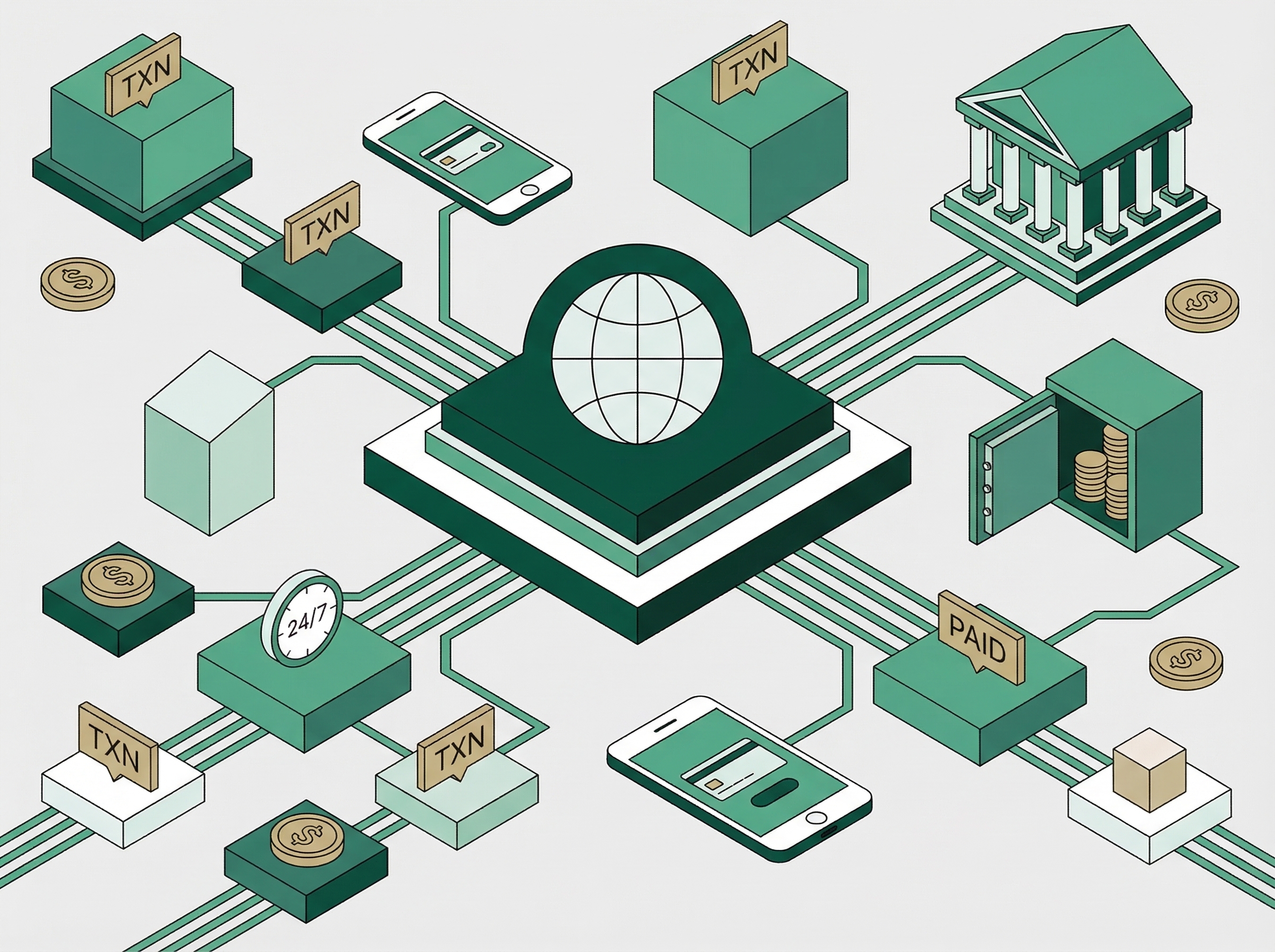
Many "best" accounts use tiered structures. GO2bank offers up to 4.50% APY, but only on the first $5,000. CIT Bank offers 4.10% with a $100 minimum. If you deposit $10,000, your blended rate drops significantly. Calculate the weighted average yield for your actual deposit size, not the maximum advertised rate.
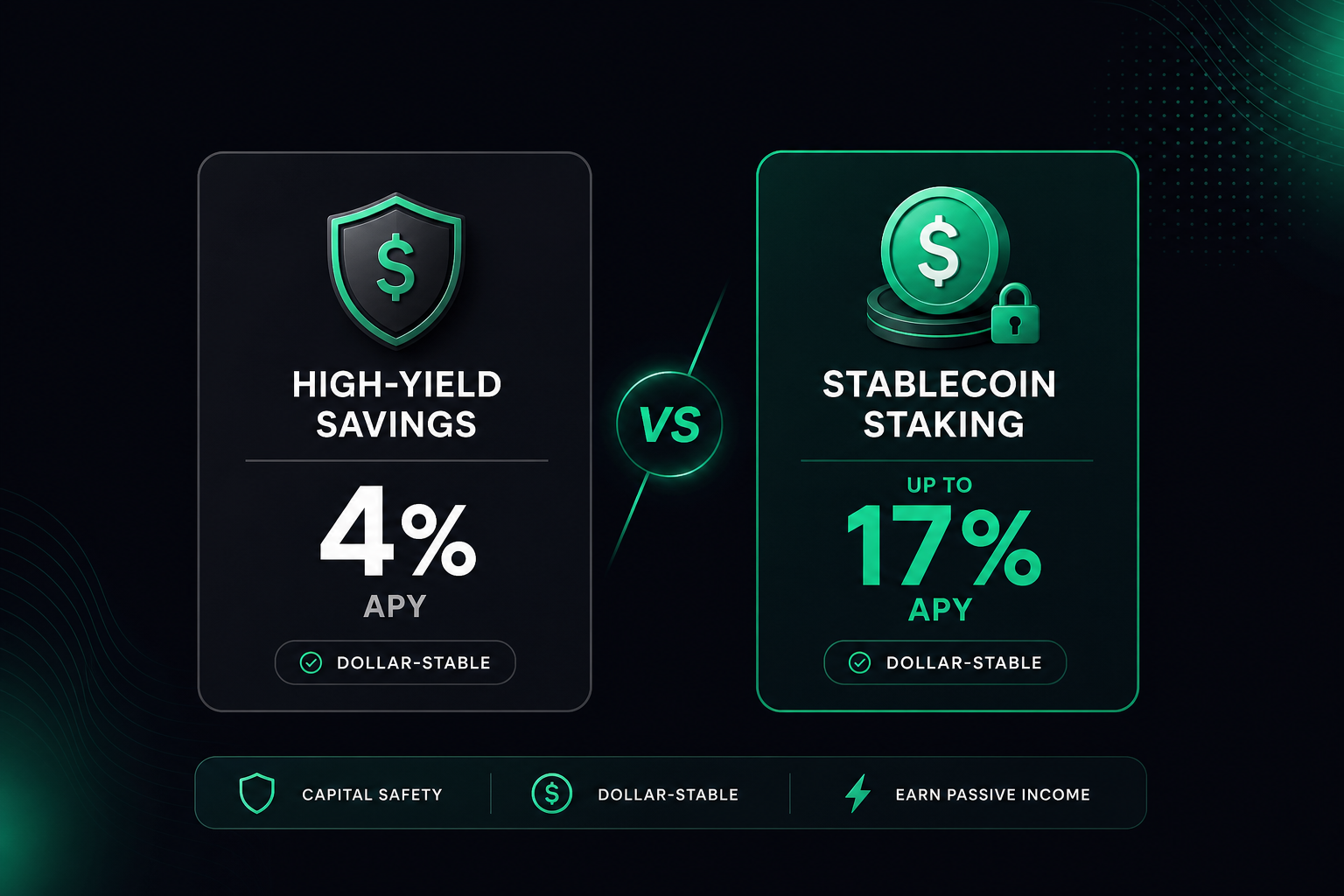
High yield often comes with friction. Traditional banks may limit transfers to six per month under Reg D (though enforcement has relaxed, policies vary). Stablecoins may have lock-up periods for higher yields. Ensure you can access your funds within 1-3 business days if you need them for an emergency. Illiquid yields are useless if you can't spend your principal.
For traditional banks, verify FDIC or NCUA insurance. Does the bank insure the full amount? Some banks offer "sweep" programs that spread funds across multiple institutions. For crypto yields, check the protocol's audit history and treasury reserves. If the yield comes from lending, who is the borrower? Uninsured capital carries a non-zero risk of total loss.
Ownership costs: when a cheap buy stops being cheap
A high-yield savings account with a 4.50% APY sounds like a no-brainer, but the real return depends on what it costs to keep the money there. The headline rate is rarely the final number. Banks often attach conditions that erode value, turning an attractive rate into a mediocre one once you factor in the friction.
The most common trap is the promotional rate. Many institutions offer a boosted APY for the first 3 to 6 months, then drop to a much lower "base" rate. If you don’t move your money before the promo ends, you are effectively paying for the privilege of holding a low-yield asset. Always check the current base rate, not just the introductory offer.
Other hidden costs include minimum balance requirements and monthly maintenance fees. Some accounts waive fees if you maintain a specific balance or set up direct deposits, but if you miss a deposit, the fee can eat into your interest earnings. For example, a $5 monthly fee on a $1,000 balance at 4.15% APY significantly reduces your net gain. Read the fee schedule carefully to understand what triggers these charges.
When evaluating a high-yield savings account, look beyond the APY. Consider the ease of transfers, the reliability of customer service, and the stability of the institution. A slightly lower rate from a well-established bank might be worth more than a high rate from a fintech startup with opaque terms. The goal is to maximize net return, not just headline yield.


As an Amazon Associate, we may earn from qualifying purchases.
Yield stable savings 2026: what to check next
Understanding the tradeoffs between safety, liquidity, and yield helps you place cash where it belongs. The following answers address the most common practical objections before you move your money.
No comments yet. Be the first to share your thoughts!