
Get yield stable savings right
Before you move capital into yield-generating stablecoin pools or high-yield savings accounts, run a quick audit of your own setup. Yield is not free money; it is compensation for risk, liquidity constraints, or regulatory complexity. If your prerequisites are off, the yield disappears into fees, slippage, or platform risk.
First, define the horizon and the risk tolerance. Stablecoin yields fluctuate with market demand for borrowing. In 2026, rates can shift from 4% to 1% in weeks. If you need the capital for an emergency fund, stick to FDIC-insured bank accounts. If you can lock funds for 30 to 90 days, you might access higher-yield lending protocols, but you must accept the risk of smart contract failure or de-pegging events.
Second, verify the platform’s insurance and audit status. For traditional banks, confirm FDIC or NCUA coverage limits. For DeFi protocols, check if the smart contracts have been audited by reputable firms like OpenZeppelin or Trail of Bits. Look for active insurance funds like Nexus Mutual that cover specific protocol exploits. Without these checks, you are gambling, not saving.
Finally, calculate the net yield after fees and taxes. Exchange withdrawal fees, bridge costs, and trading spreads can eat 0.5% to 2% of your returns annually. Additionally, stablecoin interest is typically taxed as ordinary income in the US, unlike long-term capital gains. A 5% yield might only be 3.5% after taxes. Run the numbers on paper before you click "deposit."
Work through the steps
Maximizing yield in a volatile market requires moving beyond simple savings accounts and understanding the mechanics of stablecoin yields. Unlike traditional banks, which pay interest from net interest margins, stablecoin yields often come from lending spreads where borrowers collateralize assets like ETH or Bitcoin to borrow stablecoins.
This process offers higher potential returns but introduces smart contract and platform risks. Follow these steps to set up a secure, yield-generating position.

Start by selecting the underlying asset. USDC is generally preferred for institutional-grade stability and regulatory clarity, while USDT offers deeper liquidity on some platforms. Avoid algorithmic or pegged assets with unproven track records. For a conservative approach, stick to fully reserved, audited stablecoins to minimize de-pegging risk.

Research platforms that match your risk tolerance. Established protocols like Aave or Compound offer lower yields but have extensive security audits and insurance funds. Newer or niche DeFi platforms may offer higher APYs but carry greater smart contract risk. Check the platform’s total value locked (TVL) and audit history as indicators of trust.
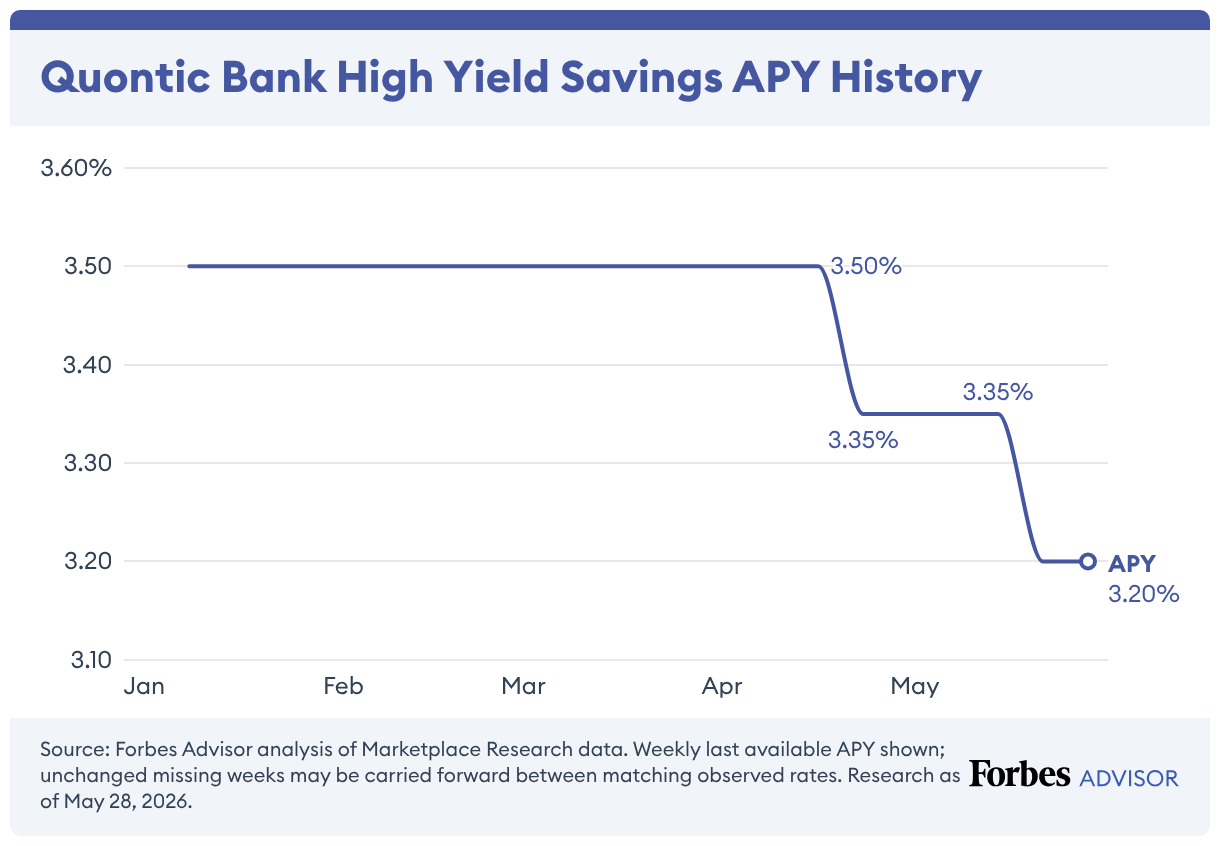
Connect your wallet to the protocol via the official website only. Verify the URL to avoid phishing sites. Deposit your chosen stablecoins into the lending pool. Most platforms allow instant access to your principal, but some lock funds for a period to ensure liquidity stability. Understand the withdrawal terms before committing.
Yields fluctuate based on market demand for borrowing. Set up alerts for significant drops in APY. If a platform’s yield falls below your threshold or risk profile changes, withdraw and reallocate to a higher-yielding, secure option. Regular monitoring prevents complacency and helps you capitalize on market spikes.
Enable two-factor authentication on all associated accounts. Use a hardware wallet for large holdings to keep private keys offline. Consider diversifying across multiple protocols to mitigate the risk of a single platform failure. Regularly review your portfolio’s exposure to interest rate and credit risks.
Fix common mistakes
Even with a high nominal yield, stable savings strategies often fail to deliver real returns because of hidden friction costs and structural risks. The gap between what you see on the dashboard and what you keep in your pocket comes down to fees, volatility, and tax treatment.
Ignoring fees and slippage
Yield numbers rarely include the cost of trading or platform maintenance. If a protocol advertises 8% APY but charges 0.5% in gas fees per rebalance or takes a 20% performance cut, your net return drops significantly. High-frequency rebalancing strategies can erase profits through transaction costs alone.
Always calculate the net APY after fees. A simpler, lower-yield option with minimal fees often outperforms a complex, high-yield strategy that burns capital on operational costs.
Overlooking tax efficiency
Interest from traditional high-yield savings accounts and most stablecoin yields are taxed as ordinary income in most jurisdictions. This is a critical mistake for investors in higher tax brackets.
Consider the after-tax yield. If you are in a 32% tax bracket, a 5% yield effectively becomes 3.4%. Tax-advantaged accounts or specific municipal bond equivalents may offer better long-term growth despite lower headline rates.
Chasing unsustainable rates
Yields above 5-6% from stablecoins or DeFi protocols often signal higher risk, such as exposure to volatile collateral or unsustainable lending spreads. When market conditions shift, these yields can collapse or become volatile.
Stick to verified, audited protocols with transparent reserve structures. Historical performance data shows that consistent, moderate yields from reputable sources are more reliable than fleeting high-yield opportunities.
Yield stable savings: what to check next
Before moving cash, clarify the real returns and risks. Rates shift, and "guaranteed" often has fine print. Use these answers to check your options against your timeline.
No comments yet. Be the first to share your thoughts!