Budget-Fit High-Yield Savings Accounts
Choosing a high-yield savings account is less about finding the absolute highest number and more about matching the account’s structure to your actual cash flow. The "best" account for a $500 emergency fund differs significantly from the one needed for a $50,000 down payment. You need to weigh the annual percentage yield (APY) against minimum deposit requirements, monthly fees, and accessibility.
Many online banks advertise rates above 4.00%, but these often require maintaining a high minimum balance or linking to a checking account at the same institution. If you cannot consistently keep a large balance, a slightly lower rate from a bank with no minimums is often more profitable in the long run. Consider the tradeoff: is the extra 0.25% APY worth the risk of falling below a minimum threshold and triggering fees?
For most budget-conscious savers, the ideal account offers a competitive rate with no monthly maintenance fees and no minimum opening deposit. This ensures your money grows without being eroded by administrative costs. Look for institutions that are FDIC insured and offer easy mobile access, as liquidity matters when you are saving for short-term goals.


As an Amazon Associate, we may earn from qualifying purchases.
Shortlist real options
Finding the best high yield savings accounts 2026 requires looking at current APYs, account fees, and minimum deposit requirements. Rates shift frequently based on Federal Reserve policy, so comparing live data is essential for maximizing returns.
The following accounts represent top contenders based on recent performance and user feedback. We evaluate these options on yield stability, ease of access, and lack of hidden fees.
| Bank | APY | Min. Deposit | Monthly Fee |
|---|---|---|---|
| Peak Bank | 4.01% | $100 | None |
| Forbright Bank | 4.00% | $0 | None |
| CIT Bank | 4.00% | $100 | None |
| Axos ONE | 4.21% | $0 | None |
| Ally Bank | 3.80% | $0 | None |
Peak Bank and CIT Bank offer competitive rates with low entry barriers, making them suitable for new savers. Axos provides a higher promotional rate, though it applies only to the first $249,999. For those prioritizing zero minimums, Forbright and Axos are strong choices.
Ally remains a reliable option with no monthly fees and a user-friendly interface, though its rate may lag slightly behind newer online-only banks. Always verify the current APY before opening an account, as these figures are subject to change.
Inspect the expensive parts
Before locking in a high-yield savings account, check the fine print. The interest rate is the headline, but hidden fees and structural traps can erase your gains. Treat your account opening like a home inspection: look for the cracks before you sign.
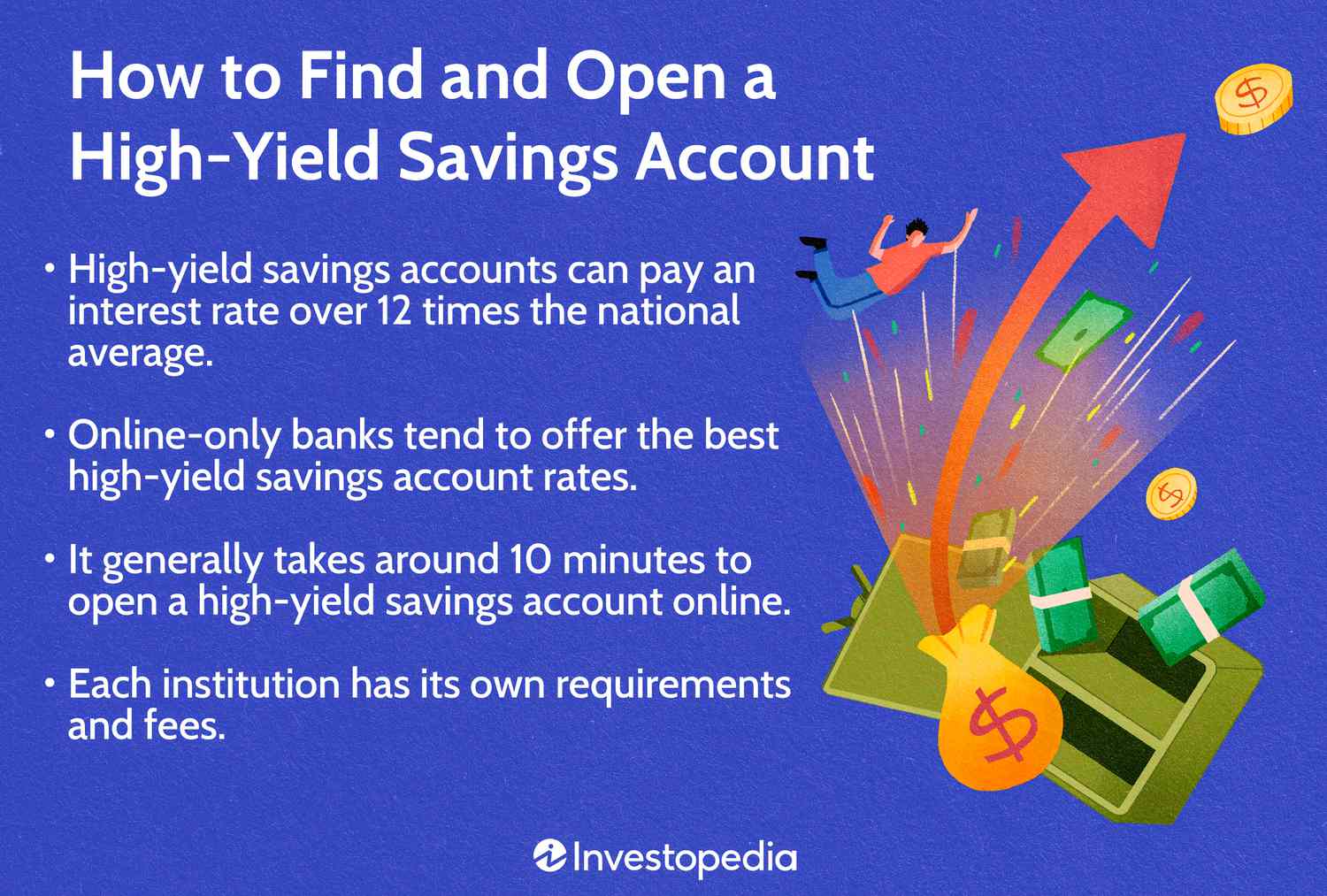
Most top-tier HYSA accounts advertise zero monthly fees. However, some banks deduct fees if your balance drops below a certain threshold or if you don't make a minimum number of transfers. Calculate the breakeven point: if a $5 monthly fee eats 10% of your interest, the account is a net loss.
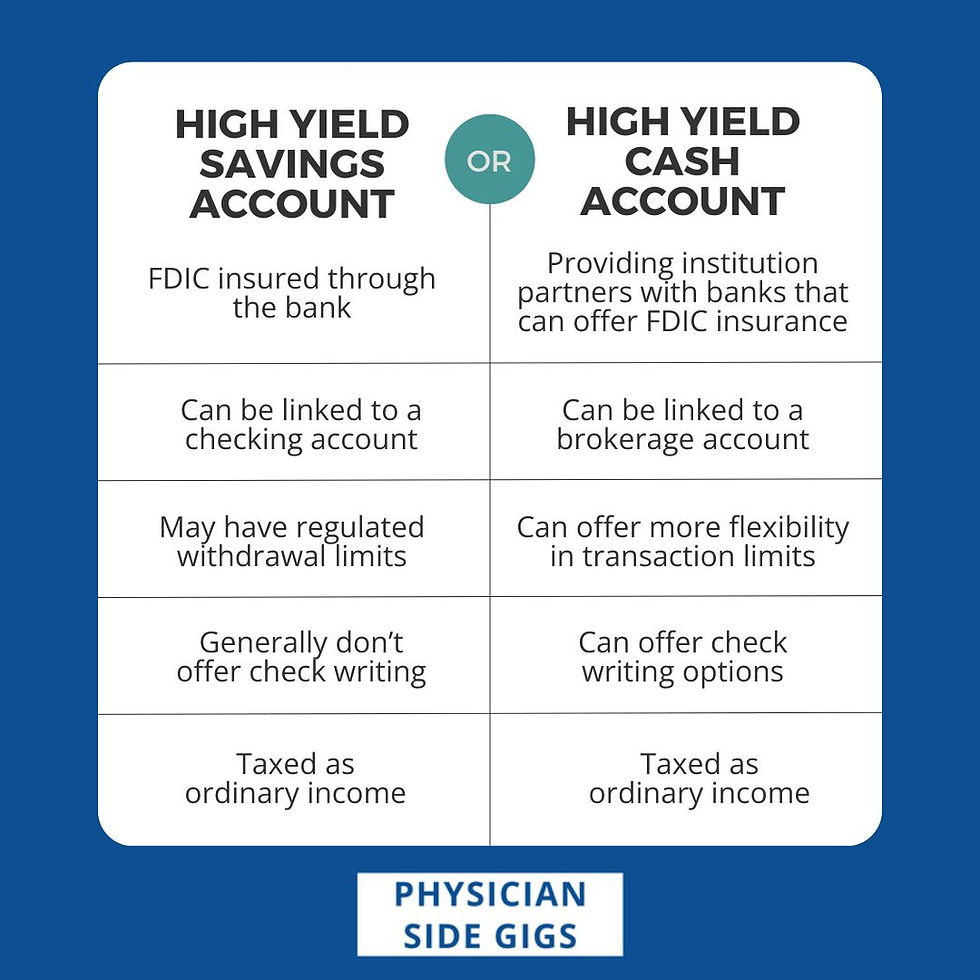
Ensure your money is protected. Standard FDIC insurance covers up to $250,000 per depositor, per insured bank. If you are depositing large sums, verify that the bank is FDIC-insured. Some online banks use third-party networks to spread deposits across multiple institutions; confirm how your coverage is structured and whether it remains intact if the bank fails.
Federal Regulation D previously limited certain withdrawals to six per month, though this rule was suspended. Banks may still enforce their own internal limits or charge excessive withdrawal fees. Check if the institution penalizes frequent transfers or if there are delays in moving money out. Liquidity matters when you need to access your savings quickly.
The advertised APY is often variable, meaning it can change based on market conditions. If the Federal Reserve cuts rates, your yield will likely drop. Look for accounts that offer promotional rates for a fixed period, but understand that the long-term rate is what truly matters for stable growth over years, not just months.
Plan for ownership costs
A high-yield savings account (HYSA) is often marketed as a "free" way to grow cash, but the real cost of ownership lies in what you don't see. While top-tier online banks like Peak Bank and Forbright Bank typically charge zero monthly maintenance fees, the hidden expenses come from opportunity cost and behavioral friction.
The primary cost is the spread between the APY you earn and the inflation rate. If inflation runs at 3.5% and your HYSA offers 4.0%, your real purchasing power only grows by 0.5%. More dangerous are the "sleeping costs": accounts that offer introductory teaser rates for the first six months, then drop to 0.01%. A $10,000 balance earning 0.01% generates just $1 a year, effectively losing money to inflation.
Another ownership trap is the six-withdrawal limit imposed by Regulation D. While most banks waive the $5 per-transaction fee for exceeding this, they may close your account or convert it to a checking account with lower yields if you treat it like a daily transaction hub. This forces you to maintain a separate "parking" account for transfers, adding administrative overhead.
When evaluating a HYSA, look beyond the headline APY. Check the fee schedule for hidden maintenance charges, verify if the rate is variable or fixed, and ensure the institution is FDIC-insured. The cheapest account to open is often the most expensive to keep if it doesn't align with your liquidity needs and inflation goals.


As an Amazon Associate, we may earn from qualifying purchases.
High yield savings accounts 2026: what to check next
What is the best high yield savings account right now? Top picks vary by balance size. Varo offers 5.00% APY on the first $5,000, making it ideal for smaller emergency funds. For larger balances, look to Forbright Bank or CIT Bank, which often maintain higher base rates without balance caps. Always verify the current APY, as these rates shift with Federal Reserve decisions.
Are high yield savings accounts FDIC insured? Yes, reputable online banks like Peak Bank, Happen Bank, and Bread Savings are FDIC insured up to $250,000 per depositor, per institution. This protection ensures your principal is safe even if the bank fails. If your deposits exceed this limit, consider spreading funds across multiple FDIC-insured institutions.
How do high yield savings rates change? Rates are not fixed; they fluctuate with the federal funds rate. When the Fed cuts rates, HYSA yields typically drop within weeks. Conversely, they may rise if inflation pressures persist. To lock in current high rates, move funds quickly, but be prepared for future adjustments.
Do high yield savings accounts have monthly fees? Most top-tier online HYSA options, including those from Ally and Marcus, have no monthly maintenance fees and no minimum balance requirements. Avoid accounts that charge fees for exceeding six monthly withdrawals, as Regulation D restrictions, while suspended, may still influence bank policies.
No comments yet. Be the first to share your thoughts!