
Why business cash needs yield
Idle business cash is a liability disguised as an asset. Every day that treasury funds sit in a standard operating account earning zero interest, the company loses purchasing power to inflation and opportunity cost. For businesses managing significant liquidity, the difference between a traditional bank savings rate and a stablecoin yield program can amount to thousands of dollars in lost revenue annually.
Traditional banking structures are designed for safety and liquidity, not yield optimization. While FDIC insurance provides a hard floor against loss, it caps the upside. In contrast, crypto-native yield programs leverage decentralized finance protocols to generate returns on stablecoins like USDC and USDT. Platforms like Kraken and Gemini have emerged as primary on-ramps for businesses seeking these higher yields, offering institutional-grade interfaces that bridge the gap between traditional finance and digital assets.
The decision to move cash into stablecoin yield programs is not about speculation; it is about efficient capital allocation. By treating stablecoins as a cash management tool rather than a speculative asset, businesses can capture the "crypto-native" yield premium while maintaining stability relative to the US dollar. This approach requires a shift in mindset and infrastructure, but the financial imperative for high-stakes treasury management is clear: idle cash must work harder.
Top stablecoin yield platforms compared
Choosing a platform for business cash management requires balancing yield against security and liquidity. The leading exchanges offer distinct advantages depending on your operational needs. Kraken and Gemini provide robust infrastructure for larger balances, while Coinbase and Crypto.com focus on ease of access for smaller or more frequent transactions.
Kraken USDC Rewards remains a top choice for businesses seeking competitive rates without complex lock-up periods. The platform supports tiered interest based on balance size, making it suitable for growing treasury reserves. Gemini offers similar stability with a strong regulatory profile, appealing to firms prioritizing compliance. Both platforms allow daily withdrawals, ensuring your operating capital remains accessible.
Coinbase One USDC Rewards provides a straightforward entry point for businesses already using the Coinbase ecosystem. The program integrates seamlessly with existing accounting workflows, reducing administrative overhead. Crypto.com Earn offers higher potential yields but often requires staking their native token or locking funds for fixed terms. This trade-off suits businesses with clearly defined idle cash periods but may complicate day-to-day liquidity management.
The following table compares the core terms for these four platforms. Rates are subject to change and typically range up to 4.25% for USDC, depending on balance tiers and market conditions.
| Platform | Primary Asset | Max APY | Withdrawal Terms | Minimum Deposit |
|---|---|---|---|---|
| Kraken | USDC | Up to 4.25% | Daily | None |
| Gemini | USDC | Up to 4.00% | Daily | None |
| Coinbase | USDC | Up to 4.00% | Daily | None |
| Crypto.com | USDC | Up to 14.75%* | Locked/Fixed | $0 |
*Note: Crypto.com’s higher rates often require staking CRO tokens or locking funds for 1-3 months, which impacts liquidity.
For businesses looking to streamline their operations, selecting the right hardware and software tools is essential. The following products can support secure key management and efficient transaction tracking for your stablecoin treasury.


As an Amazon Associate, we may earn from qualifying purchases.
Evaluating security and custody
When managing business cash in stablecoins, you are effectively acting as your own bank. This shift removes the traditional safety net of FDIC or SIPC insurance, which typically covers up to $250,000 per depositor in traditional banking. Unlike a standard savings account, stablecoin yields are generally not backed by government deposit insurance. This distinction is critical for treasury management, where capital preservation often outweighs yield generation. You must rely on the platform’s internal security protocols and private insurance policies to protect assets.
Top-tier platforms like Kraken and Gemini employ a hybrid custody model to mitigate this risk. They typically hold the majority of customer assets in cold storage—offline wallets that are inaccessible to online hackers. Only a small fraction of funds remains in hot wallets for daily liquidity. This structure mirrors how traditional banks manage reserves, but with stricter technical controls. For instance, Kraken has a long-standing reputation for not having been hacked, a testament to its security-first infrastructure. Gemini, similarly, maintains a significant portion of its assets in cold storage and carries crime insurance that protects against theft of private keys.
Another layer of protection involves third-party insurance. While SIPC coverage does not apply to crypto assets, some platforms purchase private crime insurance policies. These policies can cover losses due to theft, hacking, or employee dishonesty, but they rarely cover losses due to smart contract bugs or market volatility. It is essential to review the specific terms of these policies. Some insurers may have high deductibles or caps on coverage amounts that fall short of total platform assets.
Proof of Reserves (PoR) adds a final layer of transparency. Reputable platforms publish cryptographic attestations verifying that they hold 1:1 reserves for every stablecoin issued or held. This allows businesses to independently verify that their funds are not being lent out or used for speculative trading without consent. Without PoR, there is no way to know if a platform is operating on a fractional reserve model, which was a primary factor in the collapse of lenders like BlockFi. For business cash management, choosing a platform with regular, audited proof of reserves is as important as the yield itself.
Understanding yield sources and risks
Use this section to make the Best Yield Stablecoin Savings Accounts for Business Cash decision easier to compare in real life, not just on paper. Start with the reader's actual constraint, then separate must-have requirements from details that are merely nice to have. A practical choice should survive normal use, maintenance, timing, and budget. If a recommendation only works in an ideal situation, call that out plainly and give the reader a fallback path.
The simplest way to use this section is to write down the must-have criteria first, then compare each option against those criteria before weighing nice-to-have features.
Getting started with stablecoin savings
Setting up a stablecoin yield account requires more than just a wallet; it demands a structured onboarding process to ensure regulatory compliance and operational security. For businesses, the goal is cash management efficiency, not speculative trading. The following steps outline the standard workflow for establishing a yield-bearing account on a regulated exchange.
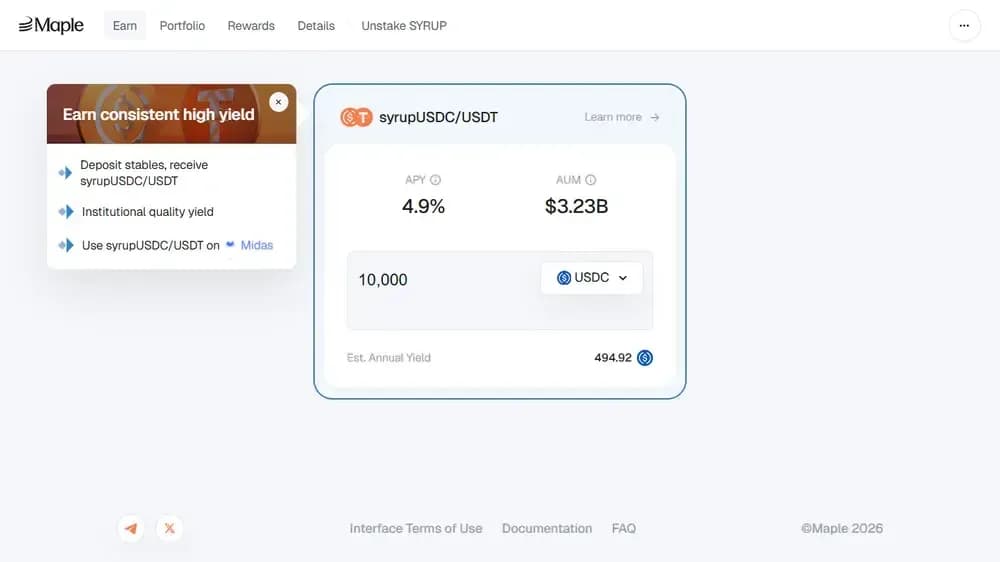
Select a platform with a clear regulatory footprint. Kraken and Gemini are established options that offer specific yield programs for institutional-grade users. Verify that the platform holds necessary money transmitter licenses and clearly discloses how yield is generated, whether through lending or treasury bills.
Businesses must submit Know Your Business (KYB) documentation. This includes articles of incorporation, employer identification numbers (EIN), and beneficial ownership details. This step is mandatory for unlocking higher yield tiers and is required to comply with anti-money laundering (AML) laws.
Deposit USDC or USDT into the platform. You can transfer from an existing crypto wallet or wire fiat currency to purchase stablecoins directly on the exchange. Ensure the deposit network matches the stablecoin standard (e.g., ERC-20, Solana) to avoid loss of funds.
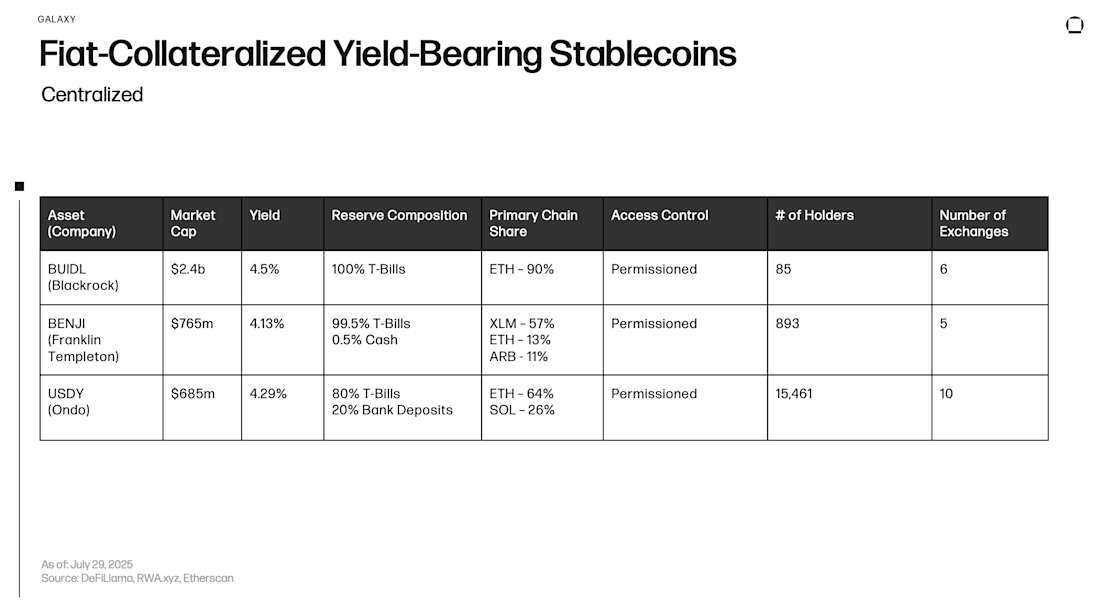
Navigate to the rewards or earn section. Kraken’s USDC Rewards and Gemini’s Asset Rewards are common starting points. Allocate only a portion of your treasury initially to test liquidity and yield consistency before committing larger operational cash reserves.
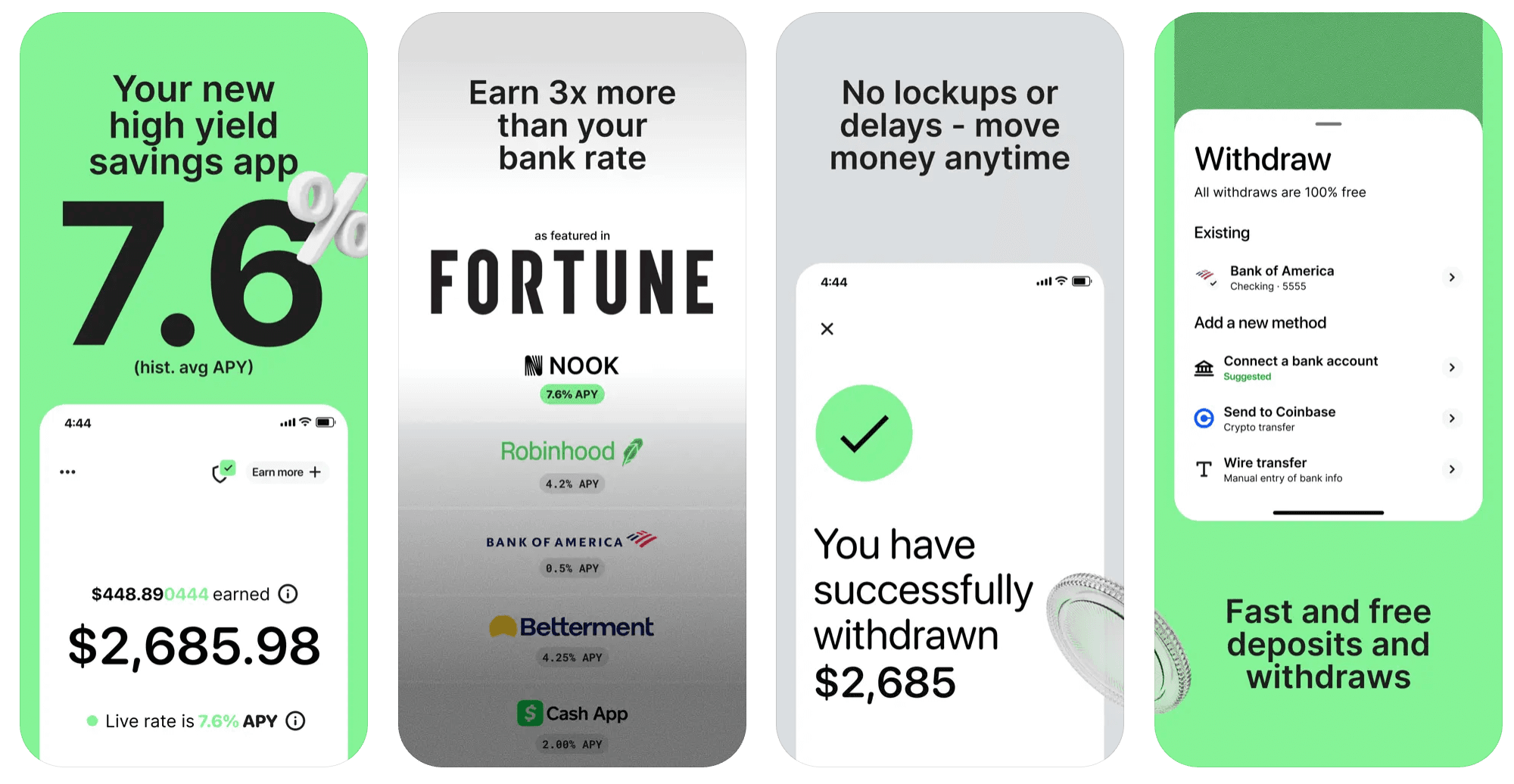
Track APY fluctuations and platform solvency reports. Unlike FDIC-insured bank accounts, stablecoin yields are not guaranteed. Review monthly statements to ensure the yield aligns with market rates and that your principal remains intact.
No comments yet. Be the first to share your thoughts!