
Top high-yield savings picks for 2026
Finding the right high-yield savings account requires balancing the advertised interest rate with the ease of use and accessibility of the platform. While the annual percentage yield (APY) is the primary driver for returns, the best accounts also offer robust mobile apps, seamless transfers, and transparent fee structures. We have evaluated the current market leaders to identify options that maximize your returns without sacrificing convenience.
Peak Bank Online Savings
Peak Bank stands out for its straightforward approach to online banking. The account offers a competitive 3.82% APY, which is significantly higher than the national average for traditional savings accounts. There are no monthly maintenance fees, and you only need $100 to open the account. The platform is designed for digital-first users, making it easy to manage your funds through a clean mobile interface. This makes it an excellent choice for those who want a no-fuss option that integrates smoothly with their existing financial tools.
Vio Bank Savings Account
Vio Bank is a strong contender for savers looking for slightly higher yields with minimal barriers to entry. The account currently offers a 4.03% APY, making it one of the top performers in the current market. Like many online-only banks, Vio keeps costs low by passing those savings on to customers in the form of higher interest rates. The $100 minimum deposit requirement is accessible for most savers, and the bank provides a user-friendly online portal for tracking your balance and interest accrual. It is particularly well-suited for individuals who prioritize yield above all else.
Bread Savings
Bread Savings offers a reliable option with a 4.00% APY and a low $100 minimum opening deposit. The account is known for its stability and straightforward terms, with no monthly fees or minimum balance requirements to maintain the higher rate. Bread Savings is ideal for conservative savers who want a predictable environment. The platform’s interface is simple and functional, allowing users to focus on growing their savings without navigating complex features or hidden charges.
When comparing these options, remember that APYs can fluctuate based on Federal Reserve interest rate decisions. It is wise to review your account periodically to ensure it remains competitive. For those interested in complementary tools to track their savings progress, the following products may be useful.
Compare top savings rates side by side
Choosing the right high-yield savings account often comes down to a quick scan of the numbers. While APY is the headline feature, the real value lies in how those rates interact with minimum deposits, monthly fees, and access features. The table below breaks down the key metrics for five of the most popular high-yield savings options available in 2026.
| Account | APY | Min. Deposit | Monthly Fee | Access Features |
|---|---|---|---|---|
| Capital One 360 Performance Savings | 4.10% | $0 | None | No monthly limits, mobile app |
| American Express High-Yield Savings | 4.00% | $0 | None | No monthly limits, mobile app |
| Discover Online Savings | 3.90% | $0 | None | No monthly limits, mobile app |
| Ally Online Savings | 3.85% | $0 | None | No monthly limits, mobile app, sub-accounts |
| Marcus by Goldman Sachs | 3.75% | $0 | None | No monthly limits, mobile app |
Notice that all five options listed above have no minimum deposit requirements and no monthly maintenance fees. This makes them accessible for savers at any income level, from those building an emergency fund to those parking a larger lump sum. The differences in APY, while seemingly small, can add up over time depending on your balance.
Beyond the rate, consider how you plan to access your money. All these institutions offer robust mobile apps and online banking, which is essential for quick transfers. However, if you value the ability to create multiple "buckets" for different savings goals within a single account, Ally’s sub-account feature stands out. For most users, though, the lack of fees and low entry barriers make these accounts nearly identical in terms of ease of use.
How to choose the right savings account
Picking a high-yield savings account is less about finding the single highest number and more about matching the account to your specific balance and access needs. The market is crowded with options promising double-digit growth, but the best account for you is the one that balances safety, yield stability, and liquidity without hidden fees or rate caps that punish you for saving more.
Check FDIC insurance first
Before comparing interest rates, verify that the institution is FDIC-insured. This federal protection covers up to $250,000 per depositor, per insured bank, for each account ownership category. If you are banking with an online-only bank, they are often FDIC-insured, but if you are using a bank’s own deposit sweep program (common with brokerage firms), ensure the underlying banks are covered. This is your baseline safety net; no amount of extra yield is worth risking your principal.
Watch for rate caps and tiered structures
Not all advertised APYs apply to your entire balance. Many high-yield savings accounts use tiered structures where the highest rate only applies to a specific portion of your deposits. For example, a bank might offer 4.50% APY on the first $10,000 but drop to 0.50% for any amount above that. If you are saving for a large goal like a down payment, a capped rate can significantly reduce your earnings. Look for accounts that offer a flat rate across all balances or have caps high enough to accommodate your savings goals.
Prioritize ease of access and transfer times
High-yield savings accounts are often held at online banks that do not have physical branches. This means you must rely on electronic transfers to move money in and out. Most transfers between different banks take 1-3 business days to clear. While Regulation D limits on the number of certain types of withdrawals per month have been suspended, banks may still impose their own limits or fees for excessive transactions. Ensure the account allows easy, fee-free transfers to your primary checking account so you can access your funds when needed without penalty.
Final checklist for your decision
Use this quick list to evaluate any account before opening it:
-
Is the bank FDIC-insured (or NCUA-insured for credit unions)?
-
Does the APY apply to my total balance, or are there caps?
-
Are there monthly maintenance fees or minimum balance requirements?
-
How long do transfers to my checking account take?
-
Is there a mobile app and online banking portal that is user-friendly?
Frequently asked questions about savings rates
Understanding how high-yield savings accounts work can help you choose the right option for your emergency fund or short-term goals. Here are answers to common questions about rates, safety, and accessibility.
Do high-yield savings rates stay the same?
No. The annual percentage yield (APY) on a high-yield savings account is variable, meaning it changes with market conditions. When the Federal Reserve raises interest rates, banks typically increase their APYs to attract deposits. When rates fall, your earnings may drop. This is why the "up to 5.00%" advertised by many providers is often a snapshot in time. Always check the current APY before opening an account, as rates can shift monthly.
Is my money safe in a high-yield savings account?
Yes, if the bank is FDIC-insured. The Federal Deposit Insurance Corporation protects deposits up to $250,000 per depositor, per insured bank, for each account ownership category. This makes high-yield savings accounts one of the safest places to park cash, with no risk of losing your principal due to market fluctuations. Always verify the bank’s FDIC status before depositing funds.
Can I withdraw money anytime without penalty?
Yes. Unlike certificates of deposit (CDs) or bonds, high-yield savings accounts do not lock your money away. You can withdraw funds at any time without paying an early withdrawal penalty. However, federal regulations (Regulation D) previously limited certain types of withdrawals to six per month, though this rule was suspended in 2020. Some banks may still impose their own limits or fees for excessive transactions, so check your account terms.
How quickly can I access my funds?
Most high-yield savings accounts are offered by online banks, which means transfers between your checking and savings accounts may take 1-3 business days to clear. While the money is technically in your account immediately, it may not be available for immediate use if you need to write a check or make a purchase. Plan ahead if you need quick access to your emergency fund.
Helpful gear
Use these product recommendations as a starting point, then choose the size, material, and price point that fit how you actually use the gear.

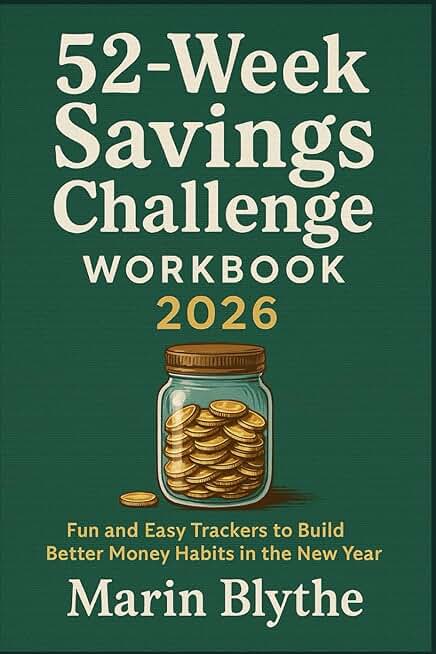
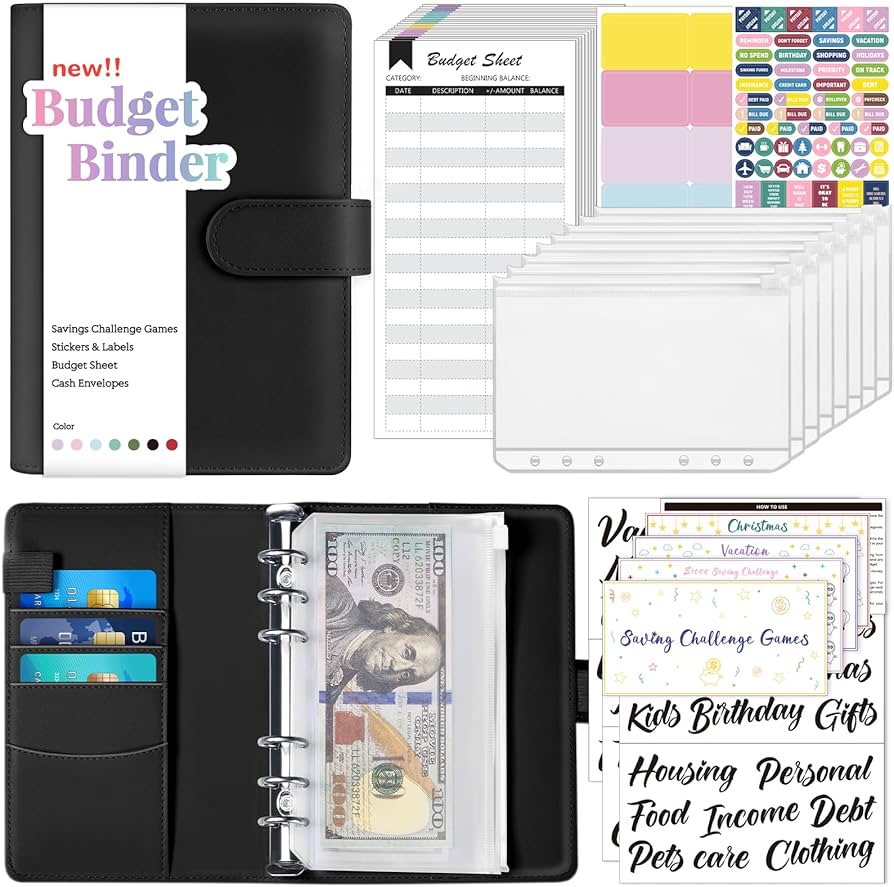
As an Amazon Associate, we may earn from qualifying purchases.
No comments yet. Be the first to share your thoughts!