
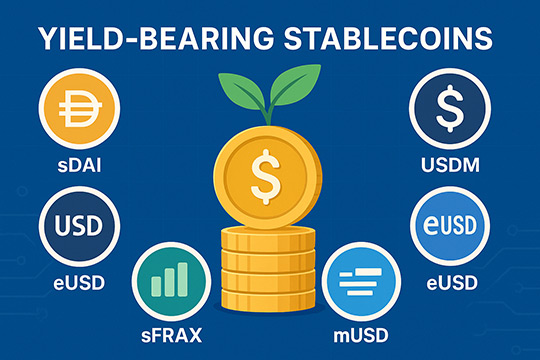
Why business cash needs yield in 2026
Treating stablecoins as a passive holding is no longer a speculative experiment; it is a standard treasury optimization strategy. For businesses, idle cash sitting in traditional operating accounts represents a direct drag on margins. In an environment where standard bank savings rates often lag inflation, moving liquidity into crypto-native yield vehicles like sDAI or sUSDe provides a tangible return on assets that would otherwise remain dormant.
The shift is driven by the immediate efficiency gains of on-chain infrastructure. Cross-border transfers, B2B settlements, and treasury operations are increasingly running through stablecoin rails because the speed and cost advantages are structural, not temporary. This efficiency allows companies to access yield opportunities that were previously inaccessible to non-institutional players, turning treasury management from a back-office function into a revenue-generating activity.
However, this approach requires a cautious mindset. Unlike FDIC-insured deposits, stablecoin yields come with smart contract and regulatory risks. The goal is not to chase the highest possible APY, but to secure a reliable, variable return on cash that is already required for daily operations. By treating these yields as a treasury tool rather than a speculative bet, businesses can protect their liquidity while ensuring every dollar works harder.
How wrapper protocols generate yield
For business treasuries, the primary goal is preserving capital while capturing a portion of the yield generated by underlying DeFi protocols. Direct exposure to lending markets or liquidity pools introduces smart contract risk and volatility that many CFOs prefer to avoid. Yield wrappers solve this by holding the underlying assets and issuing a stablecoin derivative that tracks the principal value while distributing the generated yield.
The two most prominent examples for conservative treasury management are sUSDe and sDAI. Both products function as wrappers, but they rely on different mechanisms to generate returns. Understanding these mechanisms is essential for assessing whether the yield aligns with your organization's risk tolerance.
sUSDe: Delta-neutral hedging
StakeUSDe (sUSDe) is issued by Ethena, a protocol that generates yield through a delta-neutral hedging strategy. The protocol holds the underlying USDe tokens and simultaneously shorts an equivalent amount of Ethereum on perpetual futures markets. This short position hedges against the volatility of Ethereum, allowing the protocol to capture the funding rates paid by traders who are long on ETH.
This approach decouples the yield from the price direction of Ethereum. If ETH prices drop, the short position profits, offsetting any potential depegging pressure. If ETH prices rise, the short position loses value, but the underlying holdings remain stable. The yield is variable and depends on market conditions, particularly the demand for long leverage in the crypto derivatives market.
sDAI: DAI Savings Rate
Savings DAI (sDAI) is issued by MakerDAO and represents a direct accrual of the DAI Savings Rate (DSR). When users deposit DAI into the sDAI contract, they receive sDAI tokens that automatically accrue yield based on the DSR set by MakerDAO governance. This yield comes from the fees paid by borrowers in the MakerDAO system, primarily those taking out collateralized debt positions (CDPs) against crypto assets.
Because sDAI is backed by the MakerDAO protocol and its underlying collateral, it is considered one of the most established and audited yield products in the space. The yield is variable but historically stable, reflecting the steady demand for DAI borrowing. This makes sDAI a straightforward option for businesses that want exposure to the Maker ecosystem without managing complex hedging strategies.
Comparison of wrapper mechanics
The table below compares the key mechanics of sUSDe and sDAI to help you evaluate which product fits your treasury strategy.
| Feature | sUSDe | sDAI |
|---|---|---|
| Issuer | Ethena | MakerDAO |
| Yield Source | Delta-neutral hedging (ETH funding rates) | DAI Savings Rate (Maker borrower fees) |
| Risk Profile | Smart contract risk, funding rate risk | Smart contract risk, governance risk |
| Yield Type | Variable, market-dependent | Variable, governed by MakerDAO |
| Underlying Asset | USDe (Ethena stablecoin) | DAI |
Blue-chip lending protocols for stable yield
For businesses that prioritize infrastructure reliability over maximum yield, established lending protocols offer a safer harbor. Platforms like Aave, Compound, and Morpho function as the backbone of decentralized finance, processing billions in daily volume with battle-tested smart contracts. These protocols are not just repositories for capital; they are the primary source of liquidity for the broader crypto economy.
Aave remains the dominant force in this space, offering deep liquidity pools for major stablecoins like USDC and DAI. Its multi-layered security model, including insurance funds and risk parameters, makes it a standard choice for corporate treasuries. Compound follows a similar path, focusing on simplicity and transparency, which appeals to organizations that prefer straightforward, algorithmic interest rate models.
Morpho introduces a different approach by allowing lenders to negotiate private rates with borrowers directly, often yielding slightly higher returns than the standard pool rates while maintaining the security of the underlying protocol. This "blue-chip" tier of DeFi provides a critical alternative to wrapped token products, offering institutional-grade infrastructure without the complexity of yield-bearing derivatives.
While these protocols offer lower yields than private credit platforms, their primary value lies in security and liquidity. For businesses that need to access their funds quickly or require compliance-friendly on-chain activity, these protocols are the default choice. The trade-off is clear: you sacrifice some yield for the peace of mind that comes with proven, high-stakes infrastructure.
Secure your treasury with hardware wallets
When managing yield-bearing stablecoins like sUSDe, sDAI, or Aave positions, the private keys holding these assets represent the single point of failure. A software wallet is convenient, but for business savings, physical security is non-negotiable. Hardware wallets operate as air-gapped devices, ensuring that your private keys never touch an internet-connected computer. This isolation prevents remote hackers from draining your treasury, even if your main workstation is compromised by malware.
For high-stakes treasury management, you need devices built for institutional-grade security. Look for models with secure elements—dedicated chips that isolate cryptographic operations from the main processor. Features like passphrase support (hidden wallets) and open-source firmware allow you to verify the code running on the device. This level of control is essential when the assets in question generate significant passive income.
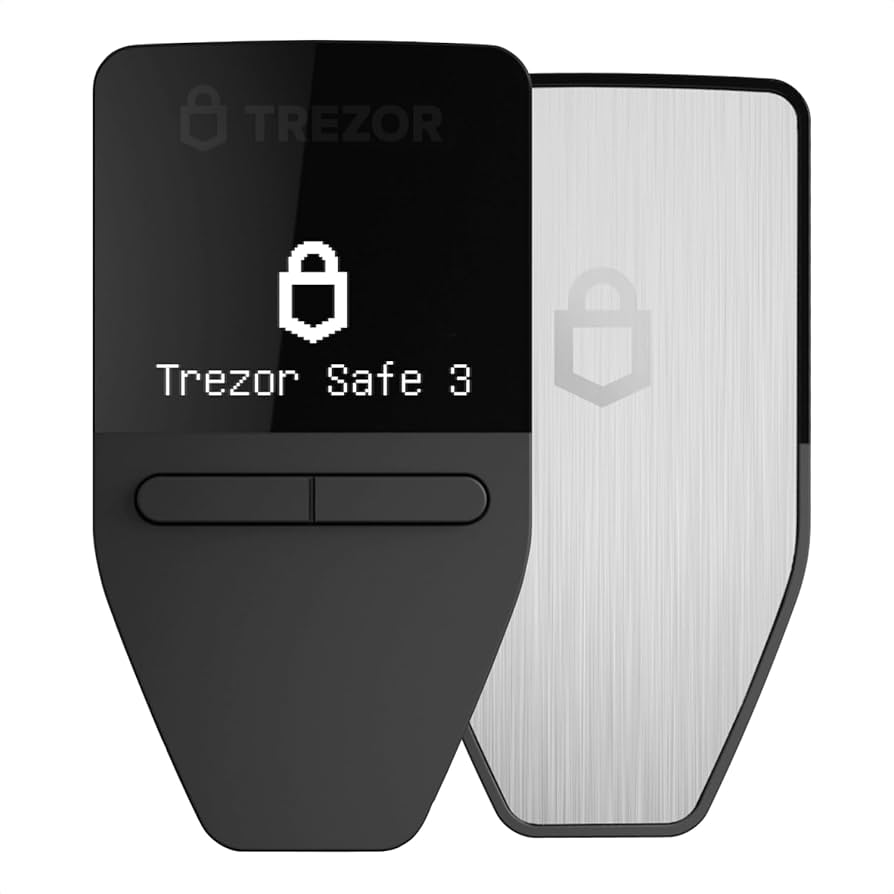
The following hardware wallets are recommended for securing stablecoin holdings. They offer robust physical security and compatibility with major DeFi protocols.


As an Amazon Associate, we may earn from qualifying purchases.
Choosing the right device depends on your specific workflow. The Ledger Nano X offers Bluetooth for mobile management, which is useful for monitoring yields on the go. The Trezor Model T provides a touchscreen for easier PIN entry and supports Shamir Secret Sharing, allowing you to split your recovery phrase among trusted parties. Regardless of the brand, always purchase directly from the manufacturer to avoid supply-chain attacks.
Risks to watch in stablecoin yield strategies
Yield in stablecoin strategies is never risk-free. Even products with strong track records like sUSDe, sDAI, or Aave carry distinct exposures that can impact capital preservation. Understanding these risks is essential before allocating business savings.
Smart contract risk remains the primary technical threat. These protocols rely on complex code to automate lending, borrowing, and yield generation. A single vulnerability in the underlying architecture can lead to exploits or total loss of funds. While audits provide a baseline, they are not guarantees. Continuous monitoring and bug bounty programs are the only real safeguards against code-level failures.
De-pegging events pose a significant market risk. Stablecoins are designed to maintain a 1:1 parity with fiat currencies, but this peg can break during periods of extreme market stress or liquidity crunches. If a stablecoin loses its peg, the yield earned may be wiped out by the devaluation of the principal. This risk is particularly acute for algorithmic or hybrid models that lack sufficient real-world asset backing.
Regulatory uncertainty adds another layer of complexity. Governments worldwide are still defining the legal framework for digital assets. Changes in tax law, banking regulations, or stablecoin oversight could force protocols to change their operations or shut down entirely. This regulatory landscape is fluid, and what is compliant today may not be tomorrow. Businesses should treat stablecoin yields as variable and subject to external policy shifts.
For businesses holding these assets, security hygiene is non-negotiable. Using hardware wallets for cold storage and multi-signature setups for treasury management reduces the risk of unauthorized access. Consider investing in dedicated security hardware to protect your digital assets.
As an Amazon Associate, we may earn from qualifying purchases.
Stablecoin yield strategies offer attractive returns, but they require a sober assessment of risk. Diversification across different protocols and stablecoin types can mitigate some exposure, but it does not eliminate the fundamental risks of smart contracts, de-pegging, and regulation. Always allocate only capital you can afford to lose, and stay informed about the evolving regulatory environment.
Frequently asked questions about stablecoin yields
What is the best stablecoin yield in 2026? Current market data points to on-chain private credit platforms as the highest-yielding options. Credix offers 12% to 18% APY for accredited investors focused on Latin American credit, while Goldfinch provides 10% to 17% APY for emerging market lending exposure. Maple Finance sits slightly lower at 9% to 15% APY for institutional corporate credit. These yields are variable and reflect current market conditions rather than fixed guarantees.
Are stablecoin yields safe for business savings? Safety depends on the underlying mechanism. Blue-chip lending protocols like Aave offer lower but more liquid yields backed by overcollateralized assets. In contrast, higher yields from products like sDAI or sUSDe often come from wrapped yield strategies that introduce smart contract risk. For business savings, diversification across these layers is standard practice to balance yield with liquidity needs.
What are the major trends for stablecoins in 2026? The strongest momentum in 2026 comes from payments. Cross-border transfers, remittances, B2B settlements, and corporate treasury operations increasingly run through stablecoin infrastructure because the efficiency gains are immediate. This shift is driving demand for stablecoins that can operate seamlessly across different blockchain networks while maintaining regulatory compliance.
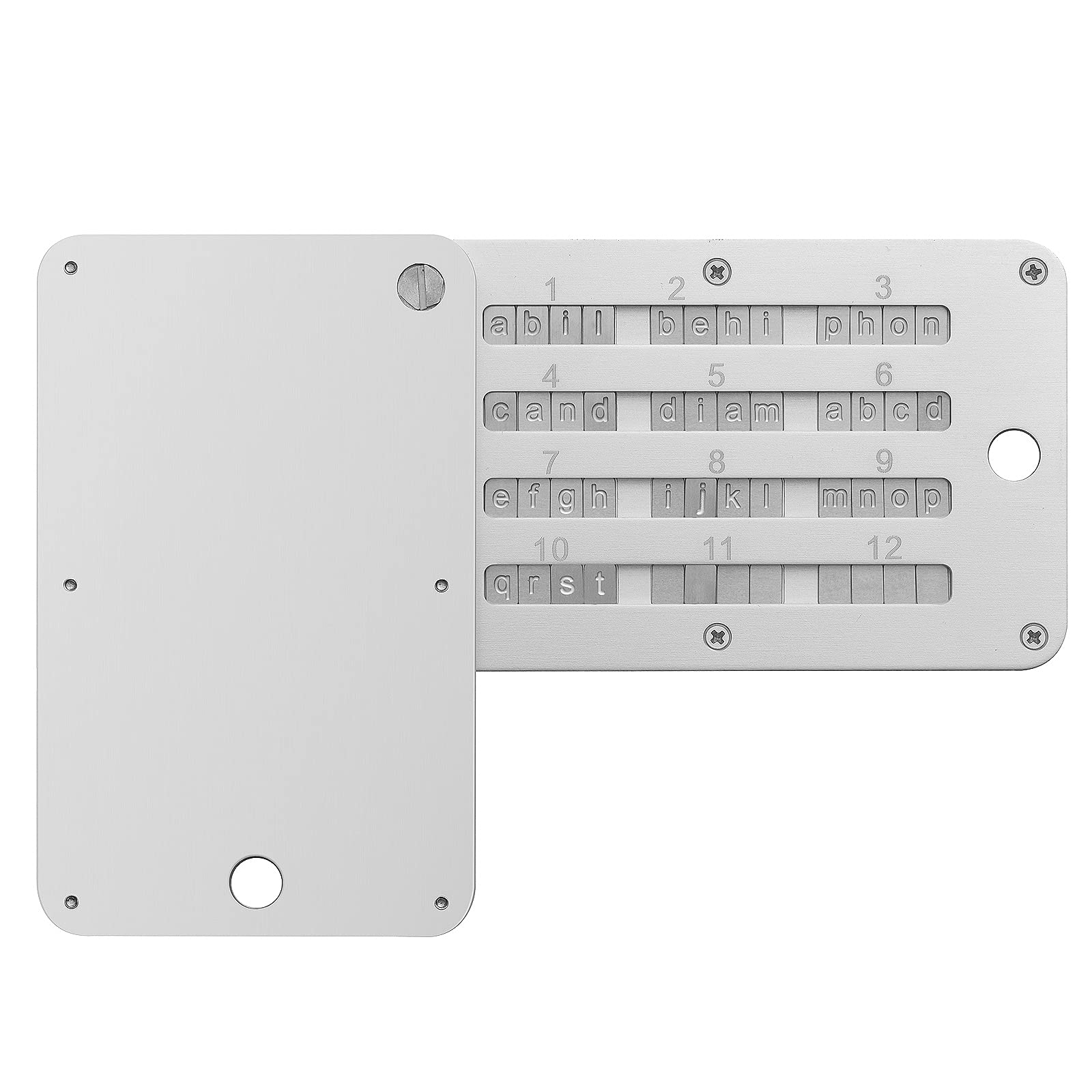
Do I need hardware security for holding stablecoins? If you are holding significant value in stablecoins for yield, securing your private keys is non-negotiable. Hardware wallets provide the necessary cold storage to protect against online threats. The following devices are widely recommended for securing digital assets:


As an Amazon Associate, we may earn from qualifying purchases.
How do I claim or calculate my stablecoin yields? Most DeFi protocols distribute yields automatically to your wallet address. You do not need to manually claim them; they accumulate in the underlying token or as a separate yield token. Always check the protocol’s dashboard for the current APY, as these rates fluctuate based on supply and demand.
No comments yet. Be the first to share your thoughts!