
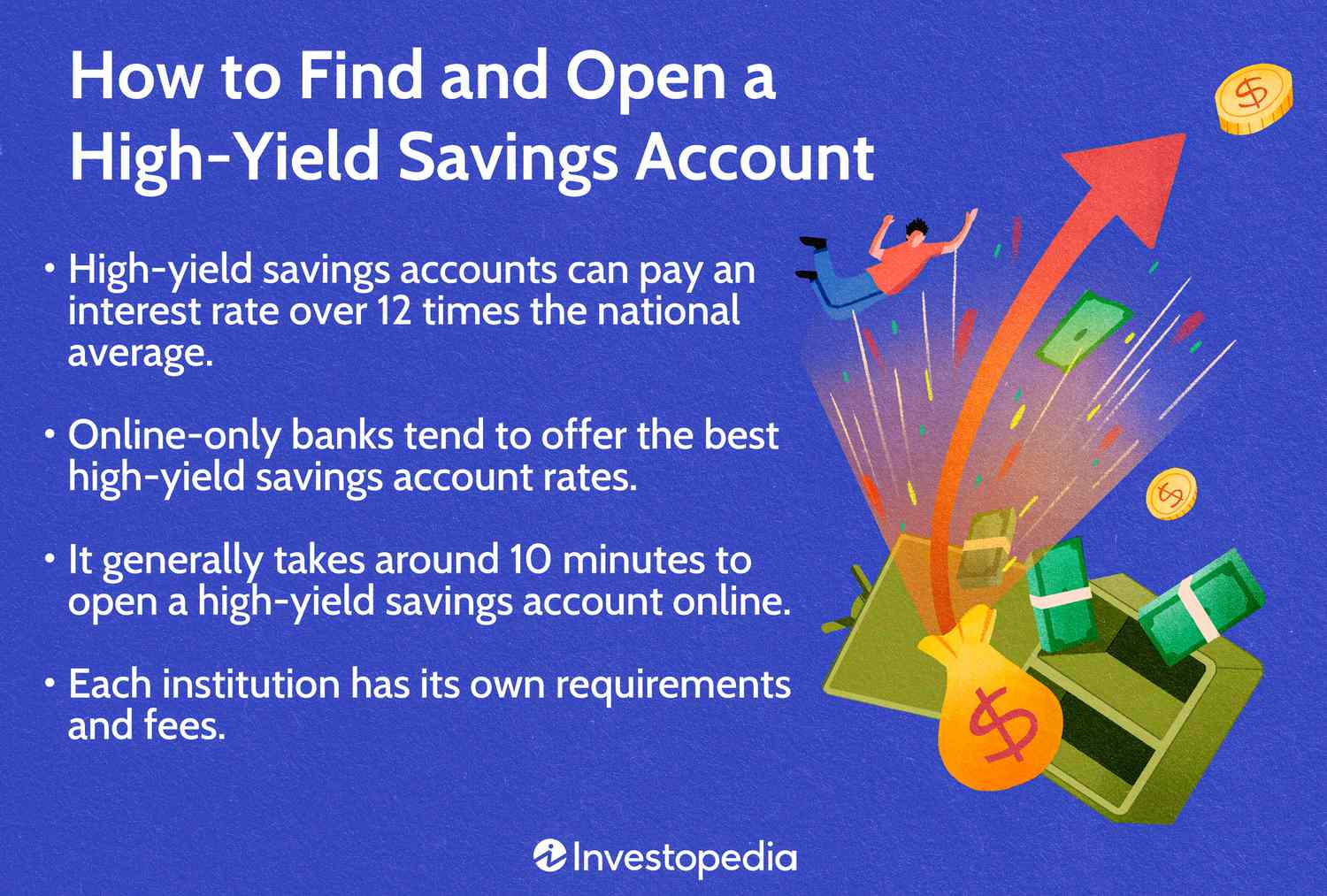
Top high-yield savings rates this month
Finding the best high-yield savings account starts with comparing current annual percentage yields (APYs). Rates fluctuate with Federal Reserve policy, so the highest offers change monthly. As of May 2026, top online banks are offering APYs between 4.00% and 5.00%.
The market leader for May 2026 is Varo Bank, which offers a 5.00% APY. AdelFi Christian Banking matches this rate. Pibank follows closely with 4.40%, while Fitness Bank offers 4.30%. These rates are significantly higher than the national average for traditional brick-and-mortar banks, which often lag below 0.50%.
For savers with minimal initial funds, Vio Bank stands out with a 4.03% APY and a low $100 minimum deposit. LendingClub and Bread Savings both offer 4.00% APY with no minimum deposit requirements. Openbank requires a $500 minimum but matches the 4.00% rate. EverBank and Limelight Bank offer slightly lower rates at 3.90%.
When choosing an account, look beyond the headline APY. Consider fees, minimum balance requirements, and FDIC or NCUA insurance status. Online banks typically offer higher rates because they have lower overhead costs than traditional branches.
How to choose the right online bank
Choosing a high-yield savings account requires looking past the headline APY. While interest rates are important, they fluctuate with the Federal Reserve. A bank offering 5.00% today may drop to 3.00% next quarter. You need a partner that remains stable and accessible regardless of market shifts. Prioritize institutions with strong balance sheets and transparent fee structures.
FDIC and NCUA insurance is non-negotiable for safety. Ensure your deposits are backed by these federal protections, which cover up to $250,000 per depositor, per insured bank. For credit unions, look for NCUA coverage. This safeguard protects your principal even if the institution fails. Never sacrifice security for a marginal rate difference. Verify the insurance status directly on the bank’s official website or via the FDIC/NCUA search tools.
User experience dictates how easily you can manage your money. Test the mobile app’s stability, transfer speeds, and customer support responsiveness before committing. Look for features like automatic savings rules, easy integration with external checking accounts, and clear fee disclosures. Avoid banks with hidden monthly maintenance fees or excessive transaction limits that could penalize regular use.
Focus on banks that offer a seamless digital experience alongside competitive rates. Consider minimum deposit requirements, as some high-yield accounts require $0 to open, while others demand $100 or more. Align the bank’s requirements with your current cash flow to avoid unnecessary friction. The best account is one you will actually use consistently to grow your savings.
Best accounts for different savings goals
Choosing the right high-yield savings account depends less on chasing the absolute highest percentage and more on matching the account structure to your specific financial habits. While rates fluctuate, the underlying features—such as minimum deposit requirements, fee structures, and integration with checking accounts—create distinct advantages for different savers.
No minimum deposit
For those who want to start saving immediately without tying up cash, several top-tier online banks require no minimum balance to open an account. This flexibility allows you to begin earning interest on whatever amount you can spare, whether it is $10 or $1,000. LendingClub and EverBank, for instance, offer competitive rates with no minimum deposit, removing the barrier to entry for emergency funds or small, consistent contributions.
High balance accounts
If you are parking a significant sum of money, such as an emergency fund or a down payment reserve, the difference in APY between a 4.00% and a 5.00% account compounds into substantial earnings over time. Accounts like Vio Bank and Bread Savings offer strong rates for balances above $100, while institutions like Openbank may offer slightly lower rates but provide robust banking ecosystems for larger, more complex financial needs. Always verify that your balance exceeds any minimums required to maintain the advertised rate.
Integrated banking perks
Some of the most reliable high-yield savings accounts are tied to broader banking platforms that offer additional conveniences. Capital One 360 Performance Savings and Ally Bank integrate seamlessly with their respective checking accounts, allowing for instant, fee-free transfers. This integration is particularly valuable for automating savings or managing cash flow, as it reduces the friction of moving money between accounts. Discover and American Express also offer high-yield options that appeal to customers who value brand consistency and customer service across multiple financial products.


As an Amazon Associate, we may earn from qualifying purchases.
Understanding APY versus interest rates
When comparing high-yield savings accounts, the Annual Percentage Yield (APY) is the only metric that matters for your actual earnings. It is distinct from the nominal interest rate, which is the simple percentage the bank pays on your balance. The difference lies in compounding: APY accounts for how often interest is added to your principal, allowing you to earn interest on your interest.
Banks compound interest at different intervals—daily, monthly, or annually. A nominal rate of 5.00% compounded daily yields more than 5.00% compounded annually. This is why two accounts with the same nominal rate can have different APYs. Always look at the APY to see the true annual return, regardless of the compounding schedule.
For example, if you deposit $10,000 at a 5.00% nominal rate, the actual growth depends on the compounding frequency. Daily compounding results in a slightly higher APY than monthly compounding. This distinction is critical for high-stakes savings where every basis point counts.
To maximize your returns, choose accounts that offer the highest APY. Current top performers like Varo Bank and AdelFi Christian Banking offer 5.00% APY. These rates reflect the effective annual yield after compounding. Compare these APYs directly to ensure you are getting the best possible return on your savings.

- Compare rates
- FDIC insured options
- Expert reviews
As an Amazon Associate, we may earn from qualifying purchases.
Frequently asked questions about savings rates
Understanding how high-yield savings accounts (HYSA) work requires looking at current market rates and account features. The following answers address common reader queries based on May 2026 data.
Which high-yield savings account is best in 2026?
The highest rates currently available are offered by Varo Bank and AdelFi Christian Banking, both at 5.00% APY. Other top contenders include Pibank (4.40% APY) and Fitness Bank (4.30% APY). These institutions lead the market in yield, though rates fluctuate with Federal Reserve policy.
What are the top 5 best high-yield savings accounts right now?
Beyond the top-tier rates, several reputable banks offer competitive yields with varying minimum deposit requirements. The top five options based on recent data include:
- Vio Bank — 4.03% APY, $100 minimum deposit
- LendingClub — 4.00% APY, No minimum deposit
- Bread Savings — 4.00% APY, $100 minimum deposit
- Openbank — 4.00% APY, $500 minimum deposit
- EverBank — 3.90% APY, No minimum deposit
Are high-yield savings accounts safe?
Yes, provided the institution is FDIC-insured (for banks) or NCUA-insured (for credit unions). Most HYSA providers listed above are federally insured up to $250,000 per depositor, per ownership category. Always verify the institution’s insurance status before depositing funds.
How do I open a high-yield savings account?
Opening an HYSA typically takes less than 10 minutes online. You will need your government-issued ID, Social Security number, and a funding source (such as a checking account for the initial transfer). Most banks allow you to fund the account immediately after approval.
Can I lose money in a high-yield savings account?
If your account is FDIC or NCUA insured, you cannot lose your principal due to bank failure. However, if inflation rises faster than your APY, your purchasing power may decrease over time. HYSAs are designed for safety and liquidity, not for outpacing high inflation.
No comments yet. Be the first to share your thoughts!