
Assess your 2026 rate environment
Before locking in a savings strategy, you need to understand where interest rates stand today. The era of reliably high yields is shifting. While some banks still advertise rates near 5%, the broader market average has cooled to approximately 3.6%. This divergence means the "best" rate is no longer a fixed benchmark but a moving target that changes with Federal Reserve policy and inflation data.
The macroeconomic outlook for 2026 suggests continued volatility. Central banks, including the Bank of England, have already begun cutting rates, with further reductions expected through the year. In the U.S., the Federal Reserve is navigating a delicate balance between controlling inflation and supporting growth. This environment means that the high yields you saw in 2023 and 2024 are unlikely to persist at the same level.
This volatility requires a flexible approach. Rather than chasing the single highest rate available today, which may drop next month, focus on accounts that offer competitive, stable rates or tools that allow you to move funds quickly. Understanding this baseline helps you set realistic expectations for your returns and prevents you from making impulsive decisions based on temporary promotional rates.
Compare top high-yield savings accounts
Choosing the right high-yield savings account depends on balancing the interest rate with your access needs and deposit minimums. Rates fluctuate with the Federal Reserve, so locking in a competitive APY is the primary lever for growing your stable savings. The table below compares three leading options for 2026 based on current official data.
| Provider | APY | Min. Deposit | Fees |
|---|---|---|---|
| Varo Bank | 5.00% | $0 | None |
| Synchrony Bank | 4.60% | $0 | None |
| Ally Bank | 4.25% | $0 | None |
Varo Bank currently leads with a 5.00% APY, making it the top choice for pure yield if you do not need a traditional brick-and-mortar presence. Synchrony Bank offers a slightly lower but still competitive rate, often favored for its long-standing reputation and ATM access. Ally Bank provides a robust digital ecosystem with additional checking integration, though its APY may trail the highest available rates.

When comparing these accounts, look beyond the headline APY. Verify that the rate is variable rather than fixed, as most high-yield savings accounts adjust monthly with the market. Also, confirm that there are no monthly maintenance fees or minimum balance penalties, which can erode your gains if you fall below a certain threshold. All three providers listed above currently offer no-fee structures with $0 minimums, removing barriers to entry for new savers.


As an Amazon Associate, we may earn from qualifying purchases.
Your selection should align with how frequently you access your funds. If you anticipate needing occasional transfers, choose a provider with fast ACH integration or linked debit cards. For money you intend to leave untouched for months, the highest available APY is the only metric that matters. Review the fine print for any early withdrawal penalties, though these are rare in standard high-yield savings accounts.
Open your account and fund it
Opening a high-yield savings account is one of the most straightforward financial tasks you can complete online. Unlike complex investment accounts, most banks allow you to fund your new account within minutes. The process relies on digital verification, so having your documents ready ensures you won't hit any roadblocks.
Gather your identification and account details
Before you start the application, prepare the necessary information. Banks are required by federal regulations to verify your identity. You will need a government-issued photo ID, such as a driver's license or passport. You will also need your Social Security number and contact information.
If you plan to fund the account immediately, have your external bank routing and account numbers ready. This allows you to link your checking account during the application. Linking first is often faster than transferring funds after the account is already open.
Complete the online application
Navigate to the bank’s official website and select the high-yield savings product. Fill in the application form with your personal details. Accuracy is critical here; a mismatched name or address can delay approval. The bank will perform a soft credit check to verify your identity, which does not impact your credit score.
Verify your identity
Most online banks use third-party verification services like Jumio or Onfido. You may need to upload a photo of your ID and take a selfie for facial recognition. These steps confirm that you are who you say you are. The process usually takes less than two minutes.
Make your initial deposit
Once your identity is verified, you can fund the account. Many high-yield savings accounts require a minimum initial deposit, which can range from $0 to $100 or more depending on the institution. You can transfer funds from your linked external account or use a wire transfer. The funds typically appear in 1-2 business days.
Confirm your account status
After funding, check your online dashboard to ensure the deposit is processed. You should receive a confirmation email. Keep this email for your records. Your account is now active and earning interest.

Avoid common savings mistakes
Protecting your principal requires more than just finding a high interest rate. Many savers chase unsustainable APYs, ignore hidden fees, or fail to maintain liquidity when they need it most. These pitfalls can erode your returns or trap your capital when market conditions shift.
Chasing unsustainable APYs
Not all high yields are created equal. If an offer seems too good to be true, it likely carries hidden risks or is a temporary promotional rate that will expire quickly. Stick to reputable institutions and verified high-yield savings accounts or CD ladders for stable returns. For a comprehensive view of safe investment options, refer to guides like Bankrate’s 10 Best Investments For 2026, which prioritize stability alongside yield.
Ignoring fees and limits
Fees can silently eat away at your earnings. Check for monthly maintenance fees, transaction limits, or minimum balance requirements that could negate your interest gains. Additionally, be aware of FDIC insurance limits. If your deposits exceed these limits, your principal is at risk.
Failing to maintain liquidity
Your emergency fund must be accessible. Locking all your cash into long-term CDs or illiquid assets leaves you vulnerable to unexpected expenses. Maintain a portion of your savings in a highly liquid high-yield savings account. As a starting point for beginners, cash provides the stability and psychological safety needed to weather financial storms, as noted in 10 Best Investments for Beginners in 2026.
Monitoring rate trends
Interest rates are not static. The Bank of England recently reduced its base rate, and economists expect further cuts in 2026. Similarly, the Federal Reserve’s actions will influence US savings rates. Stay informed about these macroeconomic shifts to adjust your strategy accordingly. Don’t lock in a low rate if better options are on the horizon, but also avoid moving too fast and missing out on current high-yield opportunities.
Verify your account security
Before you move funds into a high-yield savings account, treat your digital identity like a physical vault. You must lock the doors and confirm the combination before you deposit your savings. This section covers the essential security steps to protect your money and personal data.
Enable two-factor authentication (2FA)
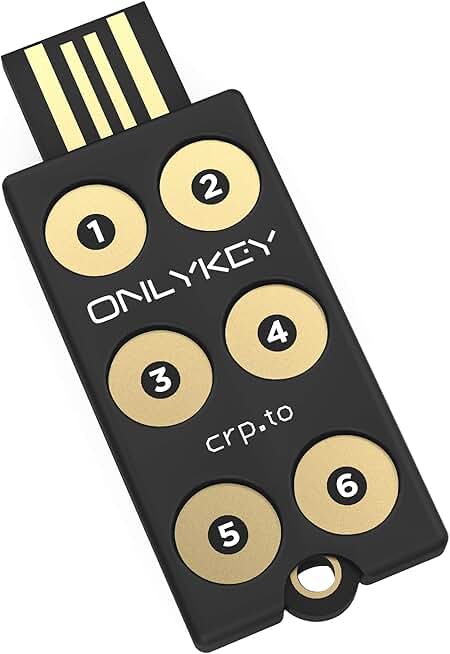
Two-factor authentication adds a second layer of defense beyond your password. Most online banks support authenticator apps or hardware keys, which are significantly more secure than SMS-based codes. If your bank offers app-based 2FA, enable it immediately. This step prevents unauthorized access even if your password is compromised in a data breach.
Verify account details and contact information
Log in to your new account and review your profile settings. Ensure your contact email and phone number are current. Banks use these details for fraud alerts and account recovery. If you are using a new device, you may need to verify your identity by uploading a government-issued ID or answering security questions. Completing this verification early avoids delays when you need to access your funds later.
Set up transaction alerts
Configure real-time notifications for large deposits, withdrawals, and logins. Most banking apps allow you to set custom thresholds for these alerts. Immediate notification helps you spot unauthorized activity before it escalates. Review your account statement weekly during the first month to catch any discrepancies early.
Final security checklist
-
Enabled two-factor authentication via an authenticator app
-
Verified current email and phone number in profile settings
-
Completed identity verification for new devices
-
Set up transaction alerts for deposits and withdrawals
-
Reviewed weekly statement for the first month
-
Enable two-factor authentication via an authenticator app
-
Verify current email and phone number in profile settings
-
Complete identity verification for new devices
-
Set up transaction alerts for deposits and withdrawals
-
Review weekly statement for the first month
No comments yet. Be the first to share your thoughts!