
Choose the right account type
Selecting the right vehicle for your stable savings depends on balancing liquidity needs against yield potential. High-yield savings accounts (HYSAs) offer immediate access to funds with federal insurance, making them ideal for emergency reserves. Certificates of Deposit (CDs) lock your money for a set term in exchange for a guaranteed rate, suitable for known future expenses. Stablecoins provide higher potential yields through decentralized finance protocols but carry smart contract and regulatory risks without government backing.
To visualize the trade-offs, consider how a $90,000 principal performs across these options over one year. While HYSAs and CDs offer safety, their rates fluctuate with the Federal Reserve. Stablecoins can offer significantly higher returns, but you must weigh this against the lack of FDIC insurance and the complexity of self-custody or platform risk.

The table below compares the core mechanics of each option. Use this to match your specific liquidity timeline and risk tolerance.
| Feature | High-Yield Savings | CD | Stablecoin Yield |
|---|---|---|---|
| Typical APY | 4.00%–5.00% | 4.50%–5.25% | 4.00%–14.00% |
| FDIC/Insurance | Yes (up to $250k) | Yes (up to $250k) | No |
| Liquidity | Immediate | Locked until maturity | Immediate (network dependent) |
| Rate Type | Variable | Fixed | Variable |
Open your high-yield account
Opening a high-yield savings account (HYSA) is a straightforward digital process, but moving quickly requires preparation. Unlike traditional brick-and-mortar banks, online lenders handle verification electronically, which means your funding speed depends entirely on how fast you can provide the necessary identity and banking documents.
The goal is to minimize the time between account creation and deposit. Most reputable online banks allow you to complete the entire workflow in under 15 minutes if your information is ready.
Before starting the application, have your government-issued ID (driver’s license or passport), Social Security number, and contact information ready. You will also need the routing and account numbers for the external checking account you intend to fund. Having these details on hand prevents session timeouts and reduces errors during data entry.

Online banks are required by federal law to verify your identity under the USA PATRIOT Act. You will enter your personal details, including your address and employment status. Most platforms use automated systems to validate this data against credit bureaus and government databases in real-time. Ensure the name and address match your official records exactly to avoid manual review delays.
To move money, you must connect an existing checking or savings account. You can do this manually by entering routing and account numbers, or by using third-party aggregators like Plaid. Manual entry is often more reliable for initial funding if you do not have a login for the external bank. Expect a small verification deposit (usually under $1.00) to appear within one to two business days, which you must confirm to unlock full access.
Once verified, initiate the transfer from your external bank. Standard ACH transfers typically take three to five business days to clear, though some online banks offer instant funding via debit card for a small fee. For yield stability, prioritize ACH transfers to avoid fees that eat into your interest earnings. Set up automatic transfers if possible to ensure consistent contributions.
Funding speed varies by institution. While some digital banks process instant deposits immediately, others hold funds until the ACH transfer clears. Check the specific policy of your chosen provider to understand when your balance becomes available for interest calculation.
Set up automated transfers
Automating your savings removes the need for willpower and ensures your high-yield savings grow consistently. By scheduling transfers to occur immediately after you receive income, you treat savings as a fixed expense rather than an afterthought. This approach, often called "pay yourself first," leverages the power of compound interest over time without requiring daily monitoring.
1. Choose your destination account
Select a high-yield savings account (HYSA) from a federally insured bank or credit union. Look for an account that offers competitive annual percentage yields (APY) and has no monthly maintenance fees. NerdWallet notes that HYSAs are best for growing emergency funds because they allow you to deposit money into an interest-bearing bank account while keeping funds liquid. Ensure the institution is FDIC or NCUA insured to protect your principal.
2. Link your checking account
Connect your primary checking account to your new savings account. Most online banks allow you to link external accounts via micro-deposit verification or real-time payment networks like Plaid. This link serves as the pipeline for your automated transfers. Verify that the connection is active by initiating a small test transfer, such as $1, to confirm funds move correctly and appear in the savings account within the expected timeframe.
3. Schedule the transfer amount and frequency
Determine a fixed dollar amount or percentage of your income to save. For most people, starting with 10-20% of net income is a sustainable target. Set the transfer to occur weekly, bi-weekly, or monthly, ideally aligning with your payday. Automating this step ensures that money is moved before you have the chance to spend it. Consistency is more important than the initial amount; small, regular contributions compound significantly over a year.
4. Set up notifications and monitoring
Enable transaction alerts for both your checking and savings accounts. You should receive a notification when a transfer is initiated and when it completes. This provides a simple audit trail without requiring you to manually check balances. Review these alerts monthly to ensure no errors occur and to confirm that your savings habit is on track.
Monitor Fed rate changes
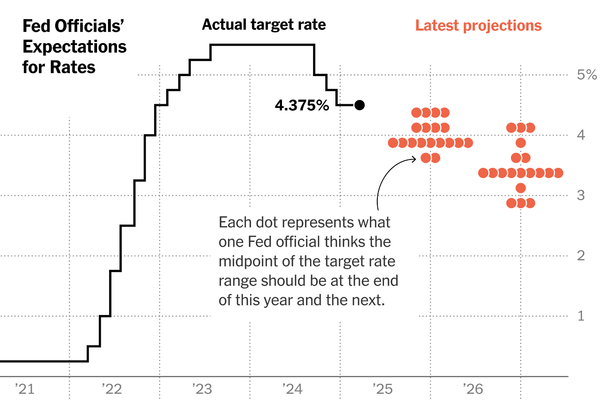
Federal Reserve policy decisions set the baseline for what banks pay on your deposits. When the Fed raises the federal funds rate, high-yield savings accounts typically follow within 30 to 60 days. Conversely, when the central bank cuts rates, banks lower their deposit yields to protect their margins.
You don’t need to predict the Fed’s next move, but you should track the FOMC meeting schedule. These meetings occur eight times a year and signal whether rates will hold steady, rise, or fall. If the Fed signals a pause, banks often maintain current APYs for a quarter or more. If they signal cuts, your current rate may be nearing its peak.
Consider moving funds when two conditions align: the Fed has officially lowered rates, and your current bank has not yet adjusted its APY downward. This window allows you to lock in the old rate while competitors are still offering it, or to shift to a short-term CD if you expect further cuts. Always verify the new APY directly on the bank’s website before transferring large sums.
Avoid common yield traps
High yields often come with hidden costs or elevated risk. To keep your savings secure, you need to look past the headline APY and understand how the return is generated and what it actually costs you.
Watch for hidden fees and tiered rates
Many high-yield savings accounts and CDs advertise top rates only for large balances or specific conditions. Once your deposit exceeds a threshold, the rate may drop significantly. Additionally, some platforms charge monthly maintenance fees or penalty fees for early withdrawal that can erase your gains.
Always read the fine print to identify:
- Tiered rate structures: Rates that drop after a certain balance limit.
- Maintenance fees: Monthly costs that reduce net yield.
- Penalty clauses: Fees for withdrawing funds before a CD matures.
Understand non-FDIC insured stablecoin risks
Stablecoin yields often promise higher returns than traditional banks, but they are not protected by the FDIC. If the platform fails or the stablecoin de-pegs, you could lose your principal. These yields are typically generated through lending or staking in decentralized finance (DeFi) protocols, which carry smart contract and counterparty risks.
Before allocating funds to stablecoin yields, verify:
- Regulatory status: Is the platform registered or compliant in your jurisdiction?
- Transparency: Are the reserves audited and publicly verifiable?
- Risk exposure: Do you understand the underlying assets backing the yield?
Tools for tracking and comparison
Use financial literacy tools to compare net yields across different savings vehicles. This helps you account for fees and risks when making decisions.


As an Amazon Associate, we may earn from qualifying purchases.
No comments yet. Be the first to share your thoughts!