Top high-yield savings picks for 2026
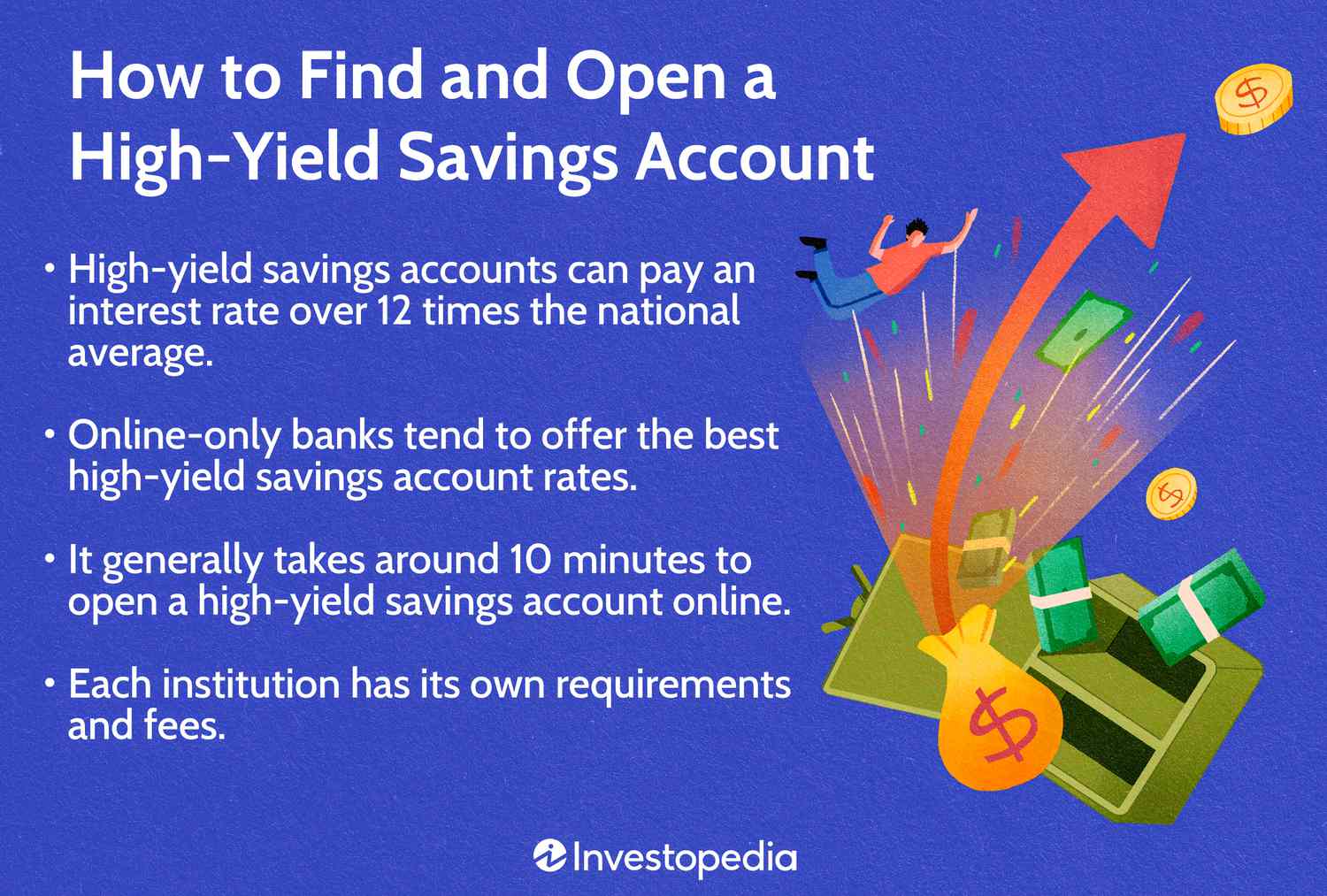
Finding the best high-yield savings accounts in 2026 means looking for institutions that pass on high interest rates to depositors while maintaining strict safety standards. Online banks currently lead the market, offering APYs that significantly outpace traditional brick-and-mortar institutions. The following picks represent the strongest options for safe growth based on current data from June 2026.
CIT Bank Platinum Savings
CIT Bank remains a dominant player in the high-yield sector, particularly for those with larger balances. Their Platinum Savings account offers a tiered rate structure: balances of $5,000 or more earn 3.75% APY, while smaller balances earn 0.25% APY. This makes it an excellent choice for savers who can maintain a minimum balance to access the higher yield. The account is FDIC-insured and has no monthly maintenance fees.
Vio Bank High-Yield Savings
Vio Bank consistently ranks among the top providers for competitive rates. Their high-yield savings account typically offers one of the highest base APYs in the market, often exceeding 4.00% for all balance tiers. Vio operates as an online-only bank, which keeps overhead costs low and allows them to pass savings to customers. There are no minimum deposit requirements to open the account, making it accessible for new savers.
Marcus by Goldman Sachs
For those who prefer a brand with established financial backing, Marcus by Goldman Sachs offers a reliable and straightforward high-yield savings option. The account currently provides a 3.50% APY. Marcus is known for its user-friendly digital interface and lack of hidden fees. While the rate may be slightly lower than some specialized online banks, the stability and ease of use make it a strong contender for conservative investors.
Peak Bank
Peak Bank has emerged as a strong competitor in the 2026 market, offering a 4.01% APY on its online savings account. This rate is competitive with the top-tier providers and applies to all balance levels, removing the tiered complexity found at other institutions. A $100 minimum deposit is required to open the account, and there are no monthly fees. Peak Bank is FDIC-insured, ensuring your deposits are protected up to the legal limit.

As an Amazon Associate, we may earn from qualifying purchases.
High-yield savings accounts compared side by side
Choosing the right high-yield savings account often comes down to balancing the interest rate with your own banking habits. While APY is the most visible number, the minimum deposit and fee structure can make or break the experience for everyday savers. We have compared the top-rated online banks to highlight these differences clearly.
The table below breaks down the essential metrics for five of the leading high-yield savings options. These institutions, including CIT Bank, Vio Bank, and Marcus by Goldman Sachs, compete on safety and yield, but they cater to slightly different needs. Some require no minimum to open, while others offer tiered rates for larger balances.
| Bank | APY | Min. Deposit | Monthly Fees | FDIC Insured |
|---|---|---|---|---|
| CIT Bank | 4.00% | $100 | None | Yes |
| Vio Bank | 4.00% | $0 | None | Yes |
| Marcus by Goldman Sachs | 4.00% | $0 | None | Yes |
| Peak Bank | 4.01% | $100 | None | Yes |
| Bread Savings | 3.90% | $0 | None | Yes |
Notice that most top-tier online banks have eliminated monthly maintenance fees entirely. This is a significant shift from traditional brick-and-mortar banks, where fees often eat into small balances. The primary differentiator is now the APY and the user interface. CIT Bank and Vio Bank offer competitive rates with very low entry barriers, making them ideal for starting small. Marcus provides the stability of a major bank brand with no minimums, appealing to those who prioritize brand recognition.
When scanning these options, look for accounts that are FDIC insured. This federal insurance protects your deposits up to $250,000 per depositor, per insured bank, making high-yield savings one of the safest places to park emergency funds or short-term goals. All the banks listed above offer this protection, ensuring your principal remains secure while earning interest.

As an Amazon Associate, we may earn from qualifying purchases.
Online banks offer higher rates by cutting overhead
The primary reason online banks like CIT Bank, Vio Bank, and Marcus by Goldman Sachs can offer significantly higher yields than traditional brick-and-mortar institutions comes down to operational structure. Online banks do not bear the costs of maintaining physical branches, extensive staff for in-person services, or the real estate overhead associated with local banking centers. These savings are passed directly to the depositor in the form of higher Annual Percentage Yields (APY).
Traditional national banks often struggle to match these rates. For instance, major institutions such as JPMorgan Chase, Bank of America, and U.S. Bank typically offer standard savings APYs around 0.01%, a rate that barely keeps pace with inflation. In contrast, online-focused accounts frequently provide rates more than ten times higher, allowing your money to grow faster with the same principal amount.
This economic advantage does not compromise the safety of your funds. All recommended online high-yield savings accounts are FDIC insured up to $250,000 per depositor, per institution, ensuring that your capital remains protected regardless of the bank's digital-only status.
Top Picks for High-Yield Growth
When selecting a high-yield savings account, the goal is to balance competitive rates with reliable customer service and user experience. Below are three top-rated options that consistently rank among the best for safe growth in 2026.

As an Amazon Associate, we may earn from qualifying purchases.
CIT Bank is widely recognized for its competitive rates and lack of monthly maintenance fees. Their savings accounts often lead the market in APY, making them a strong choice for savers looking to maximize returns without locking funds away. The bank’s digital interface is robust, allowing for easy transfers and account management.
Vio Bank offers a compelling alternative for those who prefer a purely digital experience. With a focus on small businesses and individuals, Vio provides high-yield options that compete with the best in the industry. Their customer service is accessible online, ensuring that help is available when needed without the wait times of a call center.
Marcus by Goldman Sachs brings the stability and reputation of a major financial institution to the online savings space. Backed by Goldman Sachs, Marcus offers a user-friendly platform with high interest rates and no hidden fees. It is an excellent option for those who want the peace of mind of a well-known brand combined with the benefits of an online-only bank.
How to choose the right savings account
Selecting a high-yield savings account involves balancing yield with accessibility. You need an account that pays well without locking your money away or making it difficult to access when emergencies arise. Focus on three practical factors: liquidity, minimum balance requirements, and digital usability.
Liquidity and access needs
High-yield savings accounts are FDIC-insured, making them safe for emergency funds, but withdrawal limits can still matter. Most online banks like Marcus by Goldman Sachs, CIT Bank, and Vio Bank allow instant transfers to linked external checking accounts, though federal regulations may limit certain types of transfers to six per month. If you anticipate needing frequent access to your cash, verify the transfer speed and any associated fees. Capital One’s 360 Performance Savings offers seamless integration with their checking account, allowing for easy internal transfers without external banking delays.
Minimum balance requirements
Some high-yield accounts require substantial deposits to open or maintain the advertised APY. For instance, CIT Bank’s Banker’s High Yield Savings requires a $100 minimum to open, while Marcus by Goldman Sachs has no minimum to open. Vio Bank also maintains a low barrier to entry. Avoid accounts that impose monthly maintenance fees if your balance dips below a certain threshold, as these fees can quickly erode your interest earnings. Always check the fine print for fee structures before depositing funds.
Mobile app usability
Your banking app is your primary interface for managing your savings. A clunky or slow app can turn simple tasks like checking balances or transferring money into frustrating experiences. Capital One and Ally are frequently cited for their intuitive mobile interfaces, offering features like instant transaction history and easy budgeting tools. Marcus and CIT also provide solid mobile experiences, though user preferences vary. Test the app’s responsiveness and feature set before committing your savings to ensure it meets your daily banking needs.


As an Amazon Associate, we may earn from qualifying purchases.
Common questions about high-yield savings
High-yield savings accounts (HYSA) offer better returns than traditional checking or savings accounts, but they come with specific rules and limitations that differ from standard banking products. Understanding these mechanics helps you choose the right account for your emergency fund or short-term goals.
Do high-yield savings rates change?
Yes. The APY (Annual Percentage Yield) on HYSA accounts fluctuates with the Federal Reserve’s benchmark interest rate. When the Fed raises rates, banks like CIT Bank, Vio Bank, and Marcus typically increase their APYs to attract deposits. Conversely, when the Fed cuts rates, your yield may drop. Always check the current APY before opening an account, as advertised rates are often promotional or variable.
Are high-yield savings accounts safe?
Most reputable online banks are FDIC-insured up to $250,000 per depositor, per institution. This means your principal is protected if the bank fails. However, if you have more than $250,000, you may need to spread your funds across multiple FDIC-insured institutions to ensure full coverage. Always verify the bank’s FDIC status on the FDIC website before depositing.
Can I withdraw money from a high-yield savings account?
You can withdraw money at any time, but federal Regulation D previously limited certain types of withdrawals to six per month. While this rule was suspended in 2020, many banks still enforce similar limits or charge fees for excess transactions. Always check your specific bank’s policy. Unlike certificates of deposit (CDs), HYSAs do not have early withdrawal penalties, offering greater liquidity for emergencies.


As an Amazon Associate, we may earn from qualifying purchases.
No comments yet. Be the first to share your thoughts!