
Choose your yield path
Stablecoin yield strategies generally fall into two buckets: centralized finance (CeFi) platforms and decentralized finance (DeFi) protocols. Your choice depends on how much risk you are willing to accept and how comfortable you are managing your own keys.
CeFi platforms act like traditional banks. You deposit your stablecoins, and the platform lends them out or invests them on your behalf. This offers simplicity and often higher, more stable APYs, but you must trust the platform’s solvency and regulatory compliance. DeFi protocols, by contrast, use smart contracts to automate lending. You retain custody of your assets, but you assume the technical risk of code bugs or smart contract failures.
The following comparison outlines the primary differences between these two approaches to help you decide which fits your profile.
| Metric | CeFi Platforms | DeFi Protocols |
|---|---|---|
| Custody | Platform holds keys | You hold keys |
| Yield Source | Lending & proprietary strategies | Money market lending |
| Regulatory Risk | Platform compliance required | Protocol code risk |
| Ease of Access | Simple web interface | Requires wallet setup |
| Insurance | Varies by platform policy | No traditional insurance |
If you are new to this space, starting with a regulated CeFi provider reduces the learning curve. However, if you prioritize self-custody and are comfortable with technical interfaces, DeFi offers greater transparency and control over your assets.



As an Amazon Associate, we may earn from qualifying purchases.
Select a compliant stablecoin
The foundation of yield stable savings is the asset itself. In 2026, the GENIUS Act mandates that stablecoins maintain a 1:1 peg with high-quality liquid assets, primarily short-term U.S. Treasuries. This regulatory shift eliminates the ambiguity of algorithmic or poorly audited tokens, making compliance the primary filter for selection.
Start by verifying the issuer’s regulatory status. Only choose stablecoins issued by entities registered under the GENIUS Act framework, such as USD Coin (USDC) or Pax Dollar (USDP). These issuers are required to publish monthly attestation reports detailing their reserve holdings. You can verify these reports directly on the issuer’s official website or through third-party auditors like Grant Thornton. Avoid any token that does not provide transparent, real-time proof of reserves.
Next, assess the on-chain distribution. A compliant stablecoin should be widely adopted across major lending protocols to ensure liquidity. Check if the token is supported by reputable platforms like Coinbase or Aave. Widespread adoption reduces the risk of slippage and ensures you can easily enter or exit your position. Stick to established tokens with a market capitalization exceeding $10 billion to minimize volatility risks.
Finally, consider the yield potential relative to the risk. While higher yields may be tempting, they often come with less transparent reserve structures. The GENIUS Act aims to cap excessive yields by tying them directly to the risk-free rate, currently anchored around 4.25% by the Fed funds rate. Prioritize stability and regulatory compliance over marginal yield differences. This approach ensures your principal remains safe while generating consistent, predictable returns.
Execute the deposit workflow
Moving funds from a traditional bank to a yield-bearing stablecoin account requires precision. In 2026, regulatory oversight of crypto exchanges and DeFi protocols is stricter than in previous years, making source verification and platform selection critical. A single error in the transfer chain can result in lost funds or frozen assets. This section outlines the exact steps to move capital securely, ensuring you understand the risks and mechanics before committing any money.
Step 1: Select a Regulated Platform
Before transferring funds, choose a platform that complies with current financial regulations. In 2026, platforms like Eco and RebelFi offer structured yield products that are backed by transparent reserves and adhere to federal guidelines. Avoid unverified DeFi protocols that lack clear legal entities or audit trails. Check the platform’s compliance page for recent regulatory filings or partnerships with licensed custodians. This step ensures your funds are held in a manner that protects against insolvency or regulatory seizure.

Research and compare platforms based on regulatory status. Look for entities registered with the SEC or operating under clear banking charters. Verify that the platform publishes regular, third-party audits of its reserve holdings. This verification is the foundation of security in high-stakes finance.
Connect your traditional bank account using secure APIs like Plaid or direct ACH routing. Ensure the name on the bank account matches the name on your crypto platform account exactly. Mismatches in legal names can trigger fraud alerts and freeze your deposits. Use a dedicated bank account if possible to simplify tax reporting and auditing.
Initiate an ACH transfer from your bank to the platform. ACH transfers typically take 1-3 business days to settle. Do not use wire transfers for initial small deposits due to higher fees and irreversibility. Start with a small test amount to confirm the routing is correct before moving larger sums. Monitor your bank statement for the outgoing transaction and the platform dashboard for the incoming credit.

Once the fiat funds are settled, convert them into a stablecoin like USDC or USDT on the platform. Ensure you understand the conversion fees and the specific stablecoin variant. USDC is generally preferred for its regulatory clarity and reserve transparency in 2026. Verify that the stablecoin is minted on a supported network (e.g., Ethereum, Solana, or Polygon) that the yield product accepts.
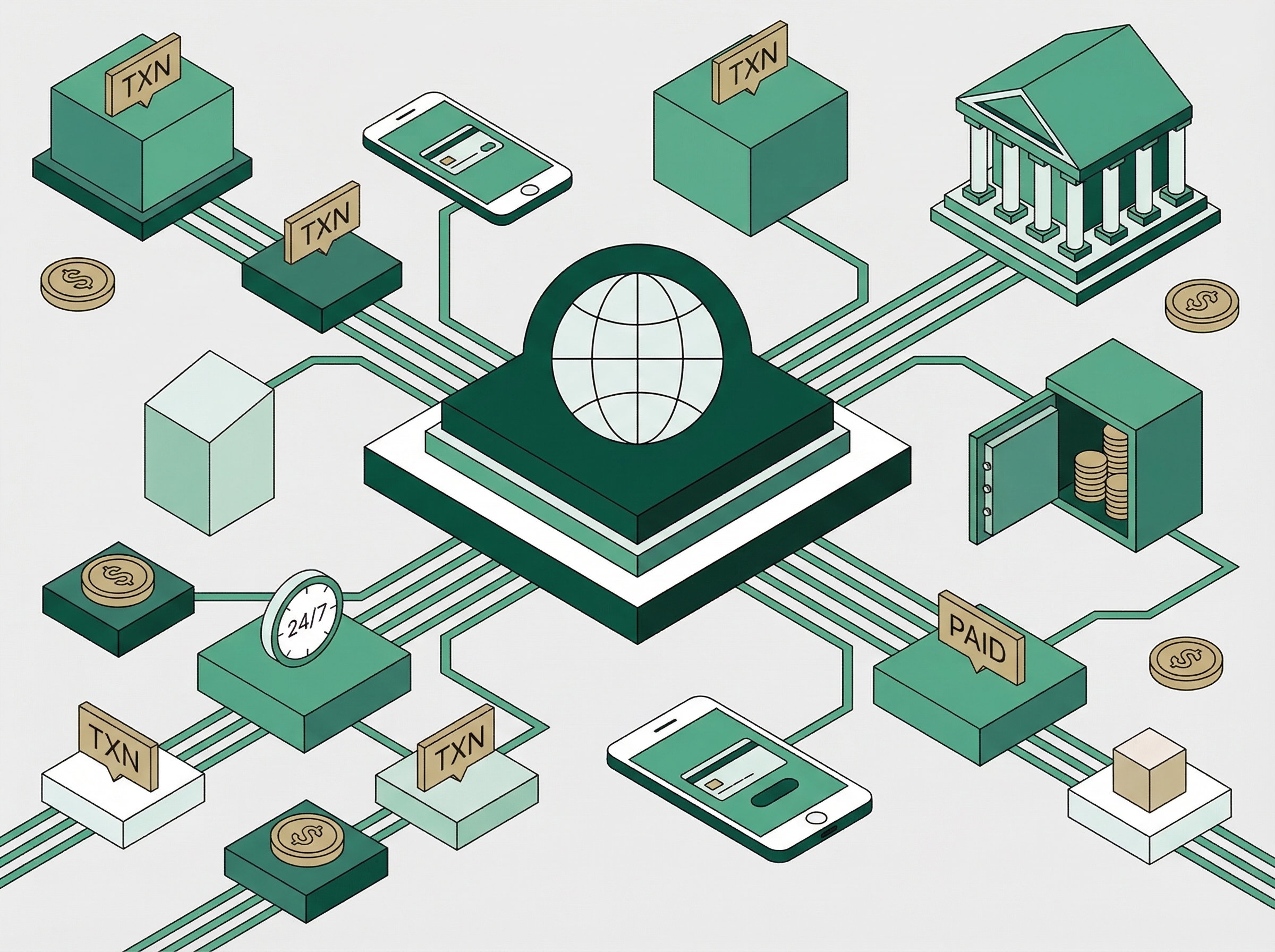
Navigate to the yield product section and stake or lend your stablecoins. Review the APY, lock-up period, and withdrawal terms. In 2026, many platforms offer flexible yield options with daily or weekly payouts. Confirm that the yield is generated through legitimate sources, such as institutional lending or treasury bills, rather than unsustainable token emissions. Complete the transaction and save the confirmation hash for your records.
Step 2: Verify and Monitor
After the deposit is complete, verify the transaction on the blockchain using a block explorer. This confirms that your stablecoins are in the correct wallet or protocol. Set up alerts for large balance changes or unusual activity. Regularly review the platform’s reserve reports to ensure the yield remains backed by adequate assets. This ongoing monitoring is essential for maintaining the integrity of your yield stable savings strategy.
Step 3: Secure Your Access
Protect your account with multi-factor authentication (MFA) using an authenticator app, not SMS. Consider using a hardware wallet for any large balances that are not actively earning yield. This adds a layer of security against phishing and account takeover attempts. Keep your recovery phrases and private keys in a secure, offline location. Regularly update your passwords and review authorized devices.


As an Amazon Associate, we may earn from qualifying purchases.
Monitor regulatory changes
The regulatory environment for stablecoin yields is shifting rapidly in 2026. While the GENIUS Act provided initial clarity, its implementation is still unfolding, and new proposals are actively targeting the yield mechanisms that make these products attractive. The most significant immediate risk is a potential prohibition on stablecoin yield, which would effectively strip the value proposition from non-bank platforms.
To protect your capital, you must track official sources rather than relying on influencer commentary. The White House has published research on the effects of yield prohibitions on bank lending, signaling that this is a high-priority legislative battleground [src-serp-4]. Similarly, the GENIUS Act’s specific provisions regarding reserve audits and yield generation need close monitoring as regulatory bodies issue final guidance [src-serp-3].
Set up alerts for key agencies like the OCC, SEC, and CFTC. When you see a draft rule or a formal comment period open, that is your window to assess whether your current platform’s yield model complies with the new standard. If a platform cannot clearly articulate how it meets 2026 regulatory standards, consider moving your funds to a regulated bank deposit or a fully reserved, non-yielding stablecoin until the landscape stabilizes.
Verify your returns monthly
Treating yield like a passive background process is a common mistake. In high-stakes finance, you must audit your earnings to ensure the platform is paying out correctly and transparently. This monthly check protects you from hidden fees, broken pegs, or accounting errors that can silently erode your capital.
Start by logging into your dashboard and comparing the reported yield against the platform’s published APY or historical performance data. For example, if you are using a STABLE Account, check their official historical performance records to verify the rate matches your accruals. Do not rely on third-party aggregators for this verification; stick to the primary source.
Next, confirm the payout frequency and currency. Yields should arrive on the schedule promised in the terms of service. If payments are delayed or converted unexpectedly, flag it immediately. Consistency is a sign of a healthy platform; irregularities are early warning signs.
Finally, document your findings. Keep a simple spreadsheet or ledger of your monthly yield vs. expected yield. This creates a paper trail that is essential if you need to dispute discrepancies or withdraw funds during a market stress event.
Frequently asked: what to check next
Stablecoin yield programs offer higher returns than traditional savings accounts, but they come with distinct risks and regulatory nuances in 2026. Understanding how these mechanisms work, their tax implications, and the impact of recent legislation is essential for protecting your capital.
No comments yet. Be the first to share your thoughts!