
High yield savings account choices that change the plan
Choosing a high-yield savings account is less about finding the single highest number and more about matching the rate to your liquidity needs and account size. In 2026, the gap between the top-tier rates and the average bank rate has widened, creating distinct tradeoffs depending on how you plan to use your money. The highest APYs often come from smaller, online-only banks that rely on aggressive marketing to gather deposits, while larger national banks offer stability and branch access at a fraction of the yield.
The primary variable is the interest rate itself, which fluctuates with Federal Reserve policy. While some institutions offer promotional rates for new customers, others provide consistent, long-term yields. A higher rate is attractive, but it is meaningless if the account imposes heavy fees, requires large minimum balances, or limits withdrawals. You must weigh the potential extra earnings against the convenience of the platform and the security of the institution.
To visualize these tradeoffs, compare the leading options across key metrics. The table below highlights the differences between top-performing online banks and traditional national banks, showing how rate, minimums, and access points shift based on the provider.
| Provider | APY | Min. Deposit | Access | Monthly Fees |
|---|---|---|---|---|
| Accordia Bank | 5.00% | $100 | Online only | None |
| Forbright Bank | 4.15% | None | Online only | None |
| Synchrony Bank | 4.20% | None | Online only | None |
| Big National Bank A | 0.30% | None | Branches + Online | Waived with balance |
| Big National Bank B | 0.10% | $1,500 | Branches + Online | $15 if below min |
Where each option wins
Choosing between a high-yield savings account (HYSA) and alternatives like CDs or money market funds comes down to liquidity needs and rate stability. HYSA rates in 2026 hover around 4-5%, making them ideal for short-term goals where you might need access to your cash. However, if you can lock in funds for a set period, certificates of deposit (CDs) often offer higher yields with guaranteed returns.
Best for emergency funds: High-Yield Savings Accounts
HYSA remains the gold standard for emergency reserves. The primary advantage is liquidity; you can withdraw funds without penalty if an unexpected expense arises. While rates fluctuate with the Federal Reserve, the flexibility outweighs the slight yield gap compared to longer-term instruments. Look for accounts with no monthly fees and low minimum deposit requirements.
Best for predictable income: Certificates of Deposit (CDs)
If you have a lump sum you won’t need for 6-12 months, a CD locks in a fixed rate, protecting you from future rate cuts. This predictability is valuable for budgeting. The trade-off is that early withdrawal penalties can erase your interest earnings if you need the cash before the maturity date. CDs are best for goals with a fixed timeline, like a down payment on a house.
Best for balancing yield and access: Money Market Accounts
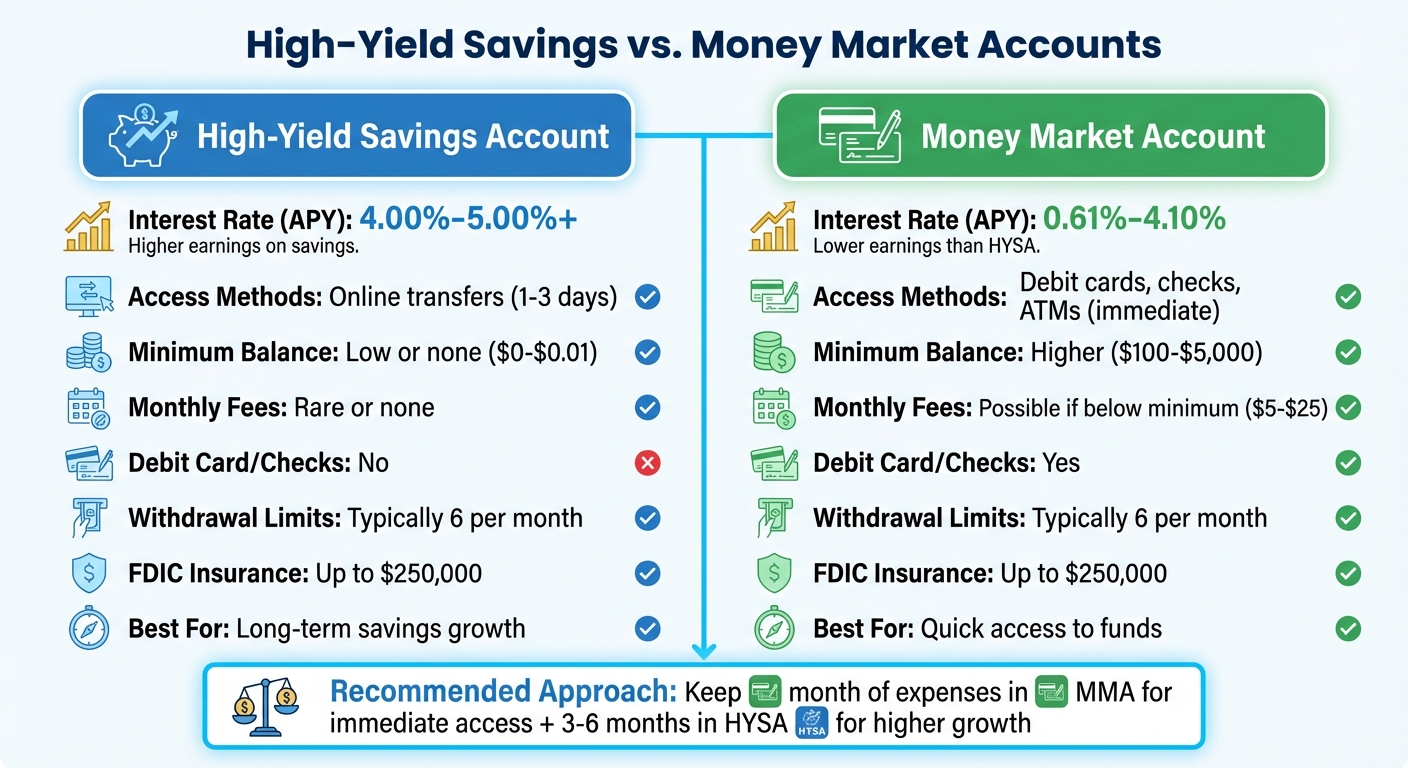
Money market accounts (MMAs) offer a middle ground. They often provide competitive rates similar to HYSAs but may come with check-writing privileges or debit cards. Some MMAs require higher minimum balances to avoid fees, so they suit those with larger cash reserves. They are a solid option for parking cash that needs occasional access but still earns more than a traditional checking account.
Best for higher growth potential: Treasury Bills
For investors willing to accept slightly more complexity, Treasury bills (T-bills) offer state and local tax exemptions on interest income. This tax advantage can make a lower nominal rate more valuable than a taxable HYSA rate, especially for those in high tax brackets. T-bills are short-term government debt, making them nearly as safe as savings accounts but with different liquidity terms.



As an Amazon Associate, we may earn from qualifying purchases.
Details worth checking
High-yield savings accounts look attractive on the surface, but the advertised Annual Percentage Yield (APY) often masks conditions that can erode your returns. Before moving money, you need to verify the fine print. A rate is only useful if you can actually keep it.
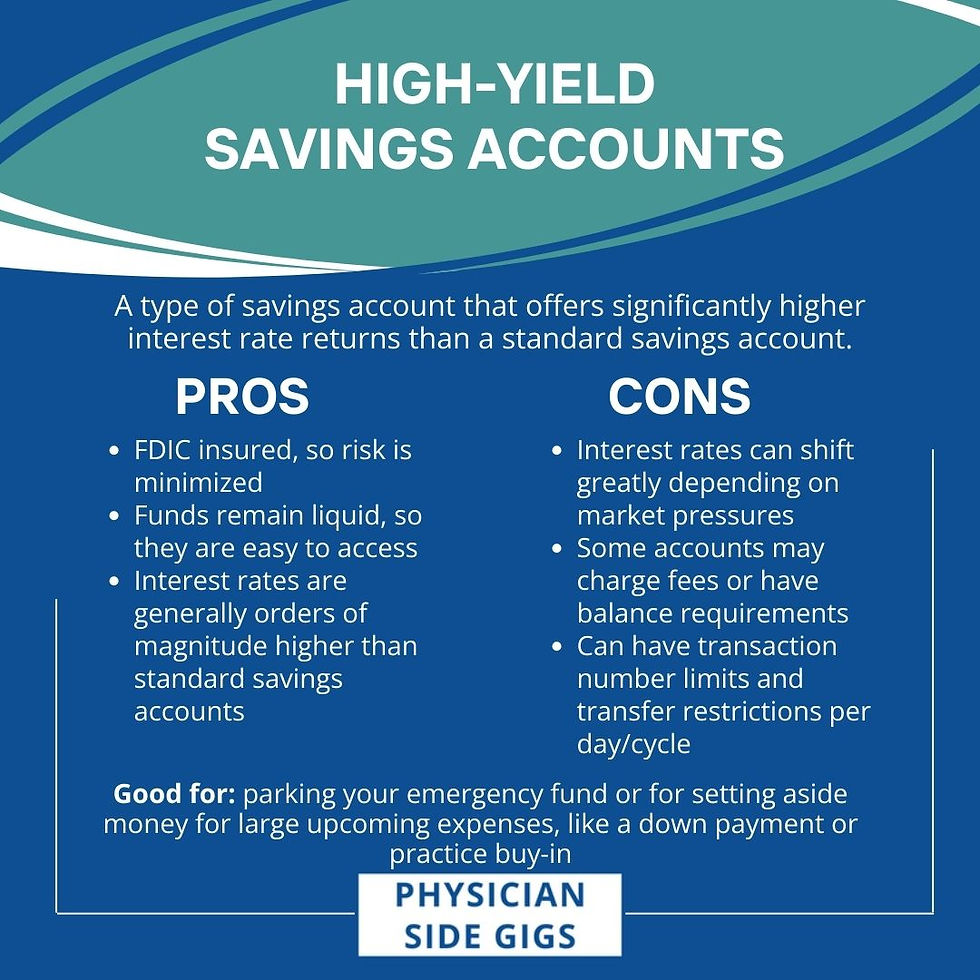
Many banks offer a "teaser" rate for the first few months, often 6% or higher, before dropping to a standard rate of 1-2%. Check the account terms to see how long the high rate lasts. If you plan to keep the money long-term, the initial burst matters less than the ongoing rate.
Some accounts require you to make a minimum number of direct deposits or post a certain number of debit card purchases each month to qualify for the top APY. If you forget to meet the quota, the bank may slash your interest rate for the entire month. Treat these requirements like a utility bill you can't miss.
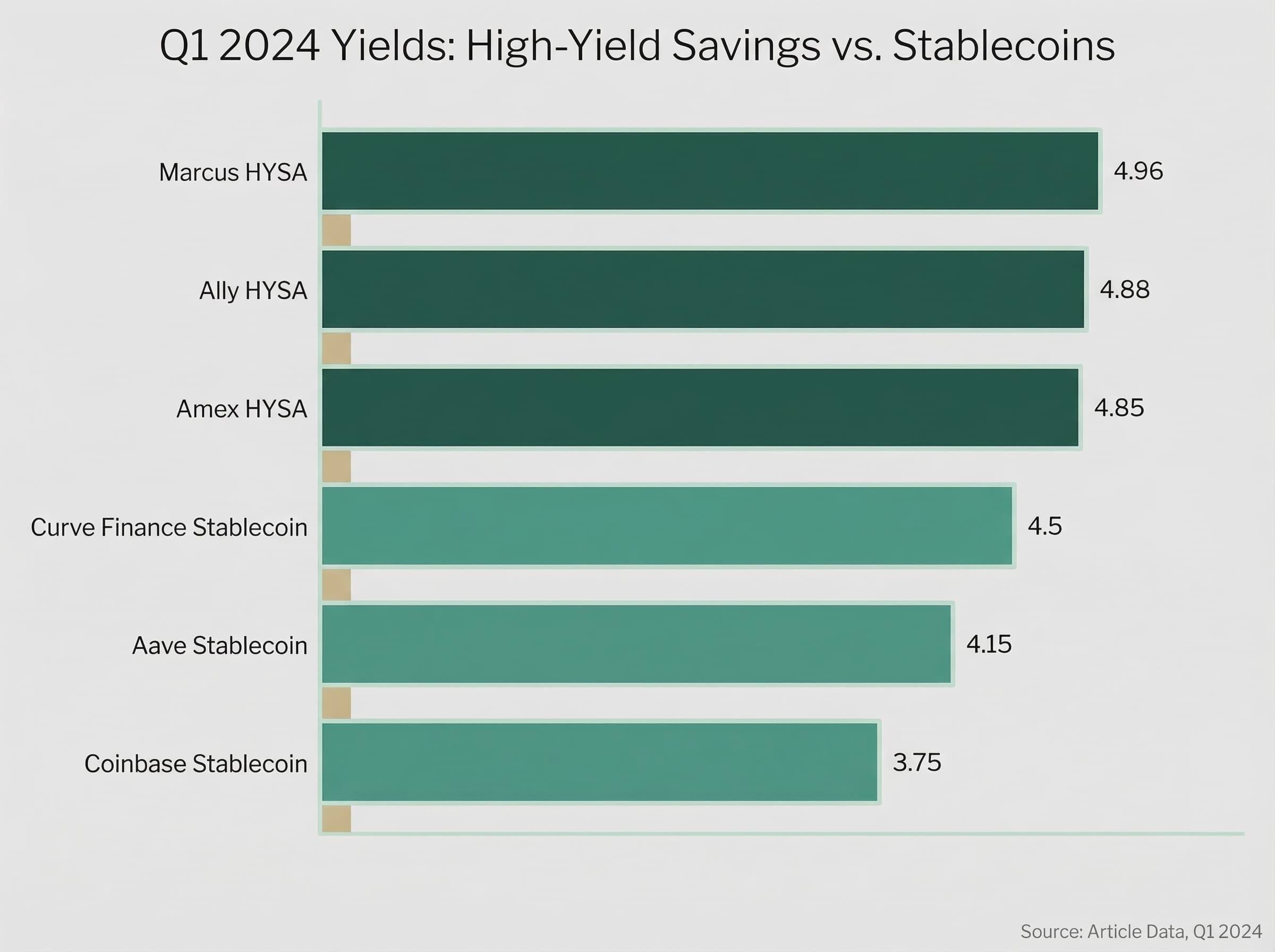
Not all "high-yield" accounts are fully insured. Some online banks use "deposit sweep" programs that spread your money across multiple partner banks. While this often provides coverage beyond the standard $250,000 limit, it adds complexity. Verify how your specific balance is insured and whether you have direct access to the funds if the bank fails.
A 5% APY means nothing if a $15 monthly maintenance fee eats your gains. Most online HYSAs are fee-free, but some credit unions or smaller banks charge for excessive withdrawals or low balances. Read the fee schedule carefully. If a fee applies, calculate whether the net yield still beats a traditional big-bank savings account.
High yield savings account rates 2026: what to check next
High-yield savings rates in 2026 remain competitive, though they have cooled from the peaks of 2023. As of August 2026, the best rates hover between 4.00% and 5.00% APY, depending on the institution and your deposit size. These rates are largely driven by the Federal Reserve's current monetary policy, which keeps the federal funds rate elevated to manage inflation.
While the era of 5.00%+ is slowing, it hasn't disappeared. However, you will not find 7% interest on a standard high-yield savings account. Rates above 6% typically require locking your money into certificates of deposit (CDs) or investing in riskier assets like bonds or stocks. Savings accounts remain FDIC-insured and liquid, making them safer but slightly lower-yielding than fixed-term instruments.
The banks offering the highest rates in 2026 are primarily online-only institutions. Traditional brick-and-mortar banks like Bank of America or Wells Fargo offer significantly lower rates, often below 1.00% APY. Online banks like Accordia Bank, Forbright Bank, and Synchrony Bank lead the market by passing higher yields directly to customers due to lower overhead costs.
No comments yet. Be the first to share your thoughts!