
Choose the right stablecoin base
Selecting between USDC and USDT is the first decision in any DeFi yield strategy. The choice determines your liquidity access, regulatory safety, and potential yield variations. While both assets track the US dollar, they operate under different issuers and compliance frameworks.
USDC (USD Coin) is issued by Circle, a publicly traded company. It faces regular audits and maintains full reserves in cash and short-term US treasuries. This structure appeals to institutional investors and regulators seeking transparency. USDT (Tether) is the older, larger market cap stablecoin. It offers deeper liquidity on many international exchanges but has historically faced scrutiny over its reserve composition. For 2026, USDC generally offers a slight yield premium on lending platforms due to its perceived lower regulatory risk.
| Feature | USDC | USDT |
|---|---|---|
| Issuer | Circle | Tether |
| Regulatory Clarity | High (US-based) | Moderate (Offshore) |
| Liquidity Depth | Deep | Very Deep |
| Typical Yield Premium | +10-20 bps | Baseline |
Use the table below to compare current market conditions. USDC is often preferred for long-term holds in regulated environments. USDT remains the standard for rapid cross-exchange transfers.
| Feature | USDC | USDT |
|---|---|---|
| Reserve Type | Cash & Treasuries | Mixed Reserves |
| Market Cap | $30B+ | $100B+ |
| Primary Use | Institutional DeFi | Retail Trading |

For most new entrants, starting with USDC provides a clearer regulatory path. However, if you are trading on exchanges where USDT has lower fees or higher depth, the yield difference may be negligible. Always verify the specific lending protocol's support for each asset before depositing.


As an Amazon Associate, we may earn from qualifying purchases.
Your choice of base asset affects your entire strategy. USDC offers peace of mind for conservative yields. USDT offers flexibility for active traders. Select the one that aligns with your risk tolerance and trading frequency.
Connect your wallet to a protocol
Before you can access high-yield stable savings, you need a secure digital wallet and a clear path to the lending protocol. Think of your wallet as your personal vault and the protocol as the bank branch. You must first secure the vault before you can walk through the door.
Choose a self-custody wallet
Start by installing a reputable browser extension or mobile wallet. MetaMask is the industry standard for Ethereum-based DeFi, while Phantom is preferred for Solana ecosystems. Download the software only from official sources to avoid phishing sites. During setup, write down your 12 or 24-word recovery phrase on paper and store it in a safe place. Never share this phrase with anyone, including support staff.
Fund your wallet with stablecoins
DeFi lending protocols typically operate on blockchains like Ethereum, Arbitrum, or Optimism. You need the native token of that chain (e.g., ETH, MATIC) to pay for transaction fees, known as gas. Transfer a small amount of this native token to your wallet first. Then, buy a stablecoin like USDC or USDT from a centralized exchange and withdraw it to your wallet address. Ensure you select the correct network during the withdrawal to avoid losing funds.
Navigate to the protocol interface
Search for the official website of the lending protocol you wish to use. Verify the URL carefully to ensure you are not on a copycat site. Look for the "Connect Wallet" button, usually located in the top-right corner of the dashboard. Click this button to initiate the connection process.
Approve the wallet connection
Your wallet will pop up a request to connect to the protocol’s website. Review the permissions carefully. A standard connection request should only ask to view your public address and balance. It should not ask for unlimited spending allowances at this stage. Click "Connect" or "Sign" to approve. If the protocol requires a transaction signature, confirm it in your wallet. Once approved, your wallet address will appear in the top-right corner, indicating a successful connection.
Verify the network and assets
After connecting, check that your wallet is on the correct network supported by the protocol. If you are on the wrong chain, the protocol may not display your assets correctly. Switch networks in your wallet if necessary. You should now see your stablecoin balance reflected in the protocol’s interface, ready for you to deposit and earn yield.
Deposit funds and lock yields
Moving money into a high-yield savings account is the fastest way to stop your cash from losing value to inflation. Most online banks allow you to link an external checking account or transfer funds via wire to get started. Once the initial deposit clears, your balance begins earning interest immediately.
You will typically choose between two yield structures: flexible or locked. Flexible accounts offer immediate access to your funds with variable rates that fluctuate with the market. Locked accounts, such as Certificates of Deposit (CDs), require you to commit your money for a set term—often 6 to 12 months—in exchange for a guaranteed, higher rate.
If you need an emergency fund, stick with flexible options to avoid early withdrawal penalties. If you have surplus capital you won't touch for a year, locking in a fixed rate protects you from future rate drops. Most modern platforms let you set up automatic transfers from your primary checking account to keep your savings growing without manual effort.
Navigate to the transfer or funding section of your chosen platform. Enter your external bank’s routing and account numbers to establish a secure connection. This step usually requires a small test deposit to verify ownership, which clears within one to three business days.
Transfer your initial deposit. Many high-yield accounts require a minimum opening deposit, ranging from $0 to $100, depending on the institution. Ensure the funds clear before you begin tracking your interest earnings to avoid any gaps in your yield calculation.
Decide whether to keep funds flexible or lock them in a CD. Flexible accounts adjust with market rates, offering liquidity. Locked CDs offer higher, fixed rates but penalize early access. Match this choice to your timeline for needing the money.

Configure recurring transfers from your checking account to your new high-yield savings. Automating this process ensures consistent growth and removes the temptation to spend the funds. Set the transfer date to align with your pay schedule for maximum efficiency.
Monitor rates and rebalance
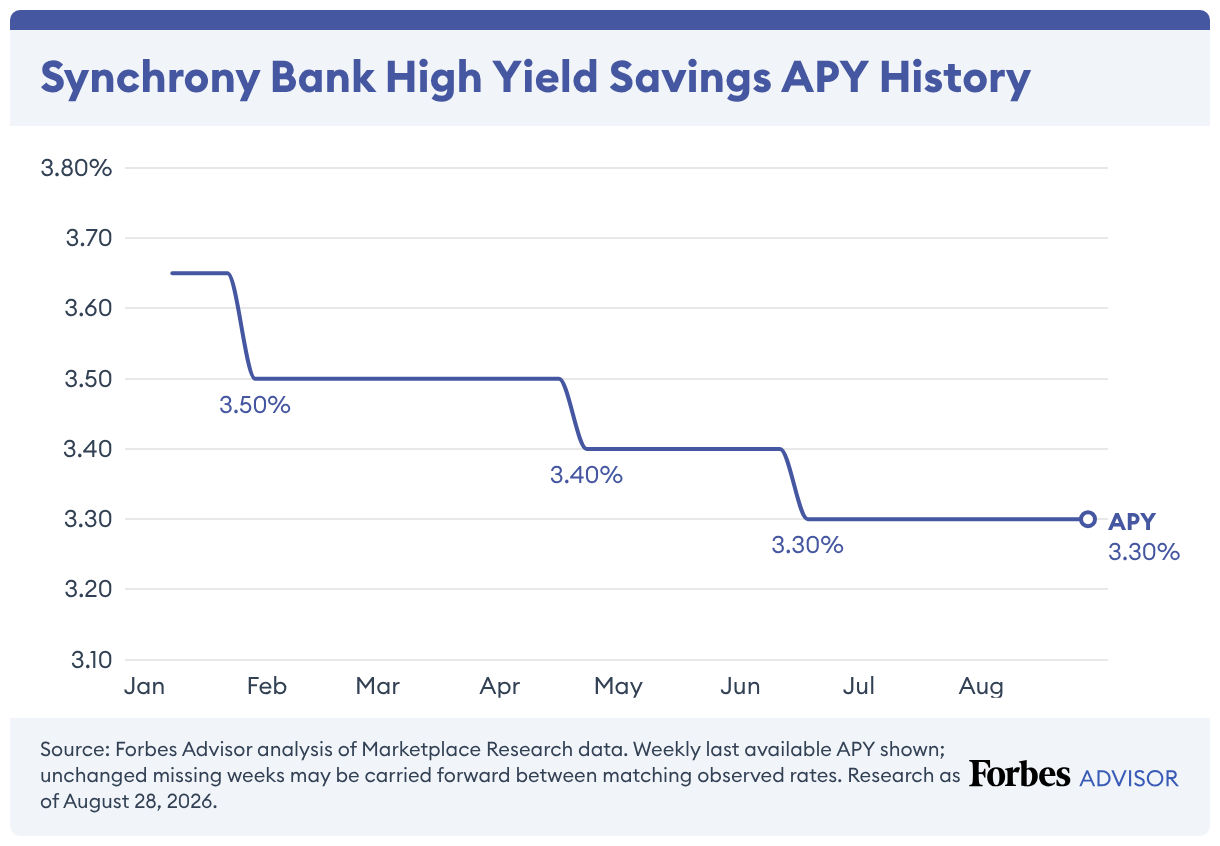
High-yield savings accounts rarely stay at their peak indefinitely. Central bank policy shifts and competitive market dynamics cause APYs to fluctuate, sometimes dropping significantly within months. To maintain optimal returns, you must treat your savings strategy as an active process rather than a set-and-forget deposit.
Set up rate alerts
Manual checking is inefficient. Most major high-yield providers allow you to set email or push notifications for rate changes. Additionally, use financial comparison tools to track aggregate market trends. When a competitor offers a significantly higher APY for more than a week, it is usually a signal to move your funds.
Execute the rebalance
Moving funds between institutions is straightforward but requires attention to detail. First, verify the new institution’s deposit insurance limits (FDIC or NCUA) to ensure your total exposure remains protected. Second, check for any minimum balance requirements that could negate the higher interest rate. Finally, initiate the transfer via ACH or wire. Note that ACH transfers can take 1-3 business days, so keep a small cash reserve in a separate account to cover immediate expenses during the transition.
Review quarterly
Even if you do not see immediate rate drops, schedule a quarterly review. Some institutions offer promotional rates that expire after six or twelve months. If your current provider’s rate has reverted to a standard low-yield tier, repeat the comparison and transfer process. Consistent monitoring ensures your capital earns the highest available risk-free return.
Common mistakes to avoid
Use this section to make the High Yield Stable Savings decision easier to compare in real life, not just on paper. Start with the reader's actual constraint, then separate must-have requirements from details that are merely nice to have. A practical choice should survive normal use, maintenance, timing, and budget. If a recommendation only works in an ideal situation, call that out plainly and give the reader a fallback path.
The simplest way to use this section is to write down the must-have criteria first, then compare each option against those criteria before weighing nice-to-have features.
No comments yet. Be the first to share your thoughts!