Compare current high yield savings rates
The gap between what national banks pay and what online lenders offer has widened significantly. According to the FDIC, the average APY across all savings accounts stood at just 0.38% as of mid-June 2026. That means a $10,000 balance earns roughly $38 a year in interest at a traditional brick-and-mortar bank. In contrast, top-tier online banks are offering high yield savings rates above 4%, turning that same balance into over $400 annually. This spread is the primary reason shopping around matters.
Online banks avoid the overhead costs of physical branches, allowing them to pass higher interest rates directly to depositors. While national giants like Chase or Bank of America often lag behind with rates below 0.10%, digital-first institutions and credit unions are competing aggressively for deposits. The data below highlights the top performers available right now, focusing on those offering APYs of 4% and higher.
Top 5 High-Yield Savings Accounts
The following comparison outlines the leading options for July 2026. These institutions consistently rank at the top for APY, minimum deposit requirements, and fee structures. Note that some rates may require specific conditions, such as maintaining a minimum balance or enrolling in direct deposit.
Rates change frequently based on Federal Reserve policy and market demand. The accounts listed above are currently among the most competitive, but it is wise to verify the current APY directly on the bank's website before opening an account. Always ensure the institution is FDIC insured (or NCUA insured for credit unions) to protect your principal.
Select the right account for your needs
Finding the highest APY is only the first step. The best high-yield savings account for you depends on balancing yield against access, minimums, and fee structures. A rate that looks attractive on a landing page might come with hidden costs or liquidity traps that hurt your financial goals.
Start by checking the fine print. Some banks offer teaser rates that expire after three months, only to drop to a much lower standard rate. Always verify the rate adjustment clauses to understand how long the promotional yield lasts. You can use tools like NerdWallet’s banking comparisons to see current rates and their terms side by side.
Next, evaluate your liquidity needs. If you might need the money for an emergency within the next year, prioritize accounts with no withdrawal limits and instant transfer capabilities. While FDIC insurance is standard for most online banks, ensure your account structure doesn’t impose penalties for early access that could wipe out your interest gains.
Finally, compare minimum balance requirements. Some top-tier rates require a minimum deposit of $1,000 or more to activate. If you are just starting out, a lower-rate account with no minimum might be more practical than a high-rate account that forces you to lock away capital you may need for daily expenses.
Open your high yield savings account
High Yield Savings Rates works best as a sequence, not a scramble through settings. Do the minimum first: confirm compatibility, connect the core hardware, update only when needed, and test the result before adding optional features. That order keeps the task understandable and makes failures easier to isolate. After each step, pause long enough for the interface to finish syncing. Many setup problems are timing problems disguised as configuration problems. If the same step fails twice, record the exact error, restart the smallest affected piece, and retry before moving deeper.


Avoid common high yield savings mistakes
Many savers chase the highest APY but miss the fine print that turns a lucrative rate into a liability. Before moving your money, verify that the bank is FDIC insured and check whether the high rate is permanent or a teaser. Ignoring these details can leave your cash exposed to hidden fees or sudden rate drops.
Verify FDIC coverage and ownership limits
The FDIC insures deposits up to $250,000 per depositor, per insured bank, for each account ownership category. If you have more than $250,000, you need to spread it across different banks or use ownership categories like joint accounts or trusts. You can check a bank’s insurance status directly on the FDIC website.
Watch out for teaser rates and hidden fees
Banks often advertise high introductory rates that drop after 6–12 months. Look for the "APY" label, not just the interest rate, and check if the rate applies to all balances or only large ones. Also, scan for monthly maintenance fees, minimum balance requirements, or excessive withdrawal fees that can eat into your earnings.
Keep idle cash out of low-yield checking
Leaving money in a standard checking account earning 0.01% APY is like letting water evaporate from an open bucket. Even a modest high-yield savings account offers significantly better returns. Move your emergency fund and short-term savings to a high-yield account to maximize growth without taking on investment risk.

Pre-account opening checklist
Use this list to avoid common pitfalls before opening your account:
-
Confirm the bank is FDIC insured (or NCUA for credit unions)
-
Check if the APY is variable or fixed for a term
-
Look for monthly fees, minimum balance requirements, or transfer limits
-
Verify the rate applies to all balances, not just large amounts
-
Read the fine print for teaser rate expiration dates
-
Ensure you can link your account easily for transfers
Frequently asked questions about savings rates
Helpful gear
Use these product recommendations as a starting point, then choose the size, material, and price point that fit how you actually use the gear.


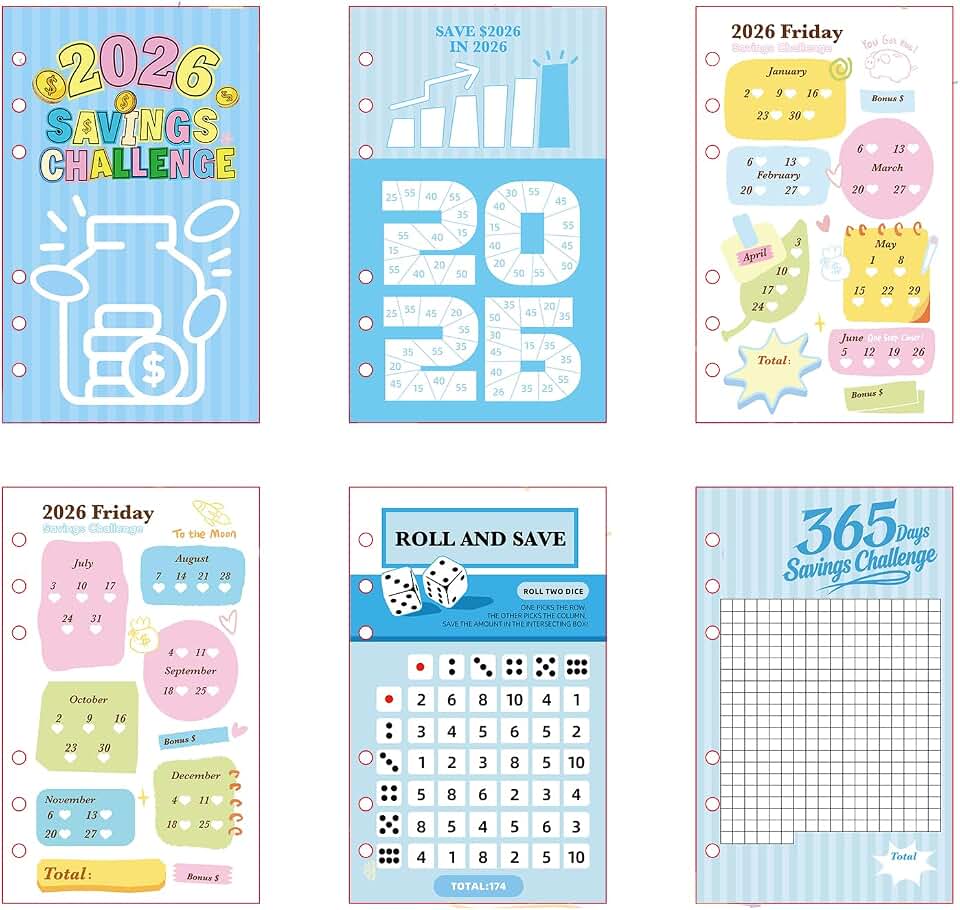
As an Amazon Associate, we may earn from qualifying purchases.
No comments yet. Be the first to share your thoughts!