
Why stablecoins beat traditional savings
The gap between traditional banking yields and crypto-native stablecoin returns has widened significantly in 2026. While major US banks offer average annual percentage yields (APYs) hovering between 0.01% and 0.5%, top-tier yield-bearing stablecoins are delivering returns of 5% to 15%. This disparity is not a temporary anomaly but a structural feature of on-chain liquidity, where capital is deployed directly into private credit, treasury bills, and synthetic dollar protocols rather than sitting idle in fractional reserve systems.
The rationale for choosing stablecoins as a business savings vehicle centers on transparency and efficiency. Protocols like Ethena USDe, Ondo USDY, and Spark sDAI generate yield by tokenizing real-world assets or providing liquidity to institutional credit markets. Unlike traditional savings accounts, where interest rates are opaque and tied to complex banking spreads, these products publish their yield sources on-chain. This allows treasury managers to verify exactly how their capital is earning interest, whether through US Treasury bills held by Ondo Finance or private credit exposure via Goldfinch.
However, this higher yield comes with a different risk profile. Traditional savings are protected by FDIC insurance up to $250,000, while stablecoin yields rely on smart contract security, reserve audits, and the solvency of underlying counterparties. A failure in the protocol’s collateralization model or a regulatory crackdown on yield-bearing stablecoins can result in total loss of principal. Therefore, this strategy is best suited for entities that understand counterparty risk and can tolerate the volatility inherent in decentralized finance.
For businesses considering this shift, the decision is not just about chasing the highest number. It requires evaluating the stability of the underlying asset, the regulatory status of the issuer, and the liquidity terms. In 2026, the most robust stablecoin yields are found in products that explicitly link to regulated financial infrastructure, offering a middle ground between the safety of cash and the growth potential of crypto.
5 Best Yield Stablecoins 2026: Top 5 High-Interest Savings Accounts for Passive Income
In the 2026 stablecoin landscape, protocols like sUSDe, sDAI, and USDY offer yields that demand rigorous due diligence rather than passive trust. This selection highlights five high-interest accounts where official protocol documentation substantiates returns, ensuring your capital is deployed with precision in a high-stakes financial environment.
1. Swell Finance sUSDe Yield Analysis
sUSDe functions as a liquid restaking token, deriving yield from Ethereum staking rewards and MEV. In 2026, its appeal lies in dual revenue streams, though smart contract risks remain elevated. Users must weigh the potential for higher APY against the complexity of restaking layers and potential slashing events during network congestion.
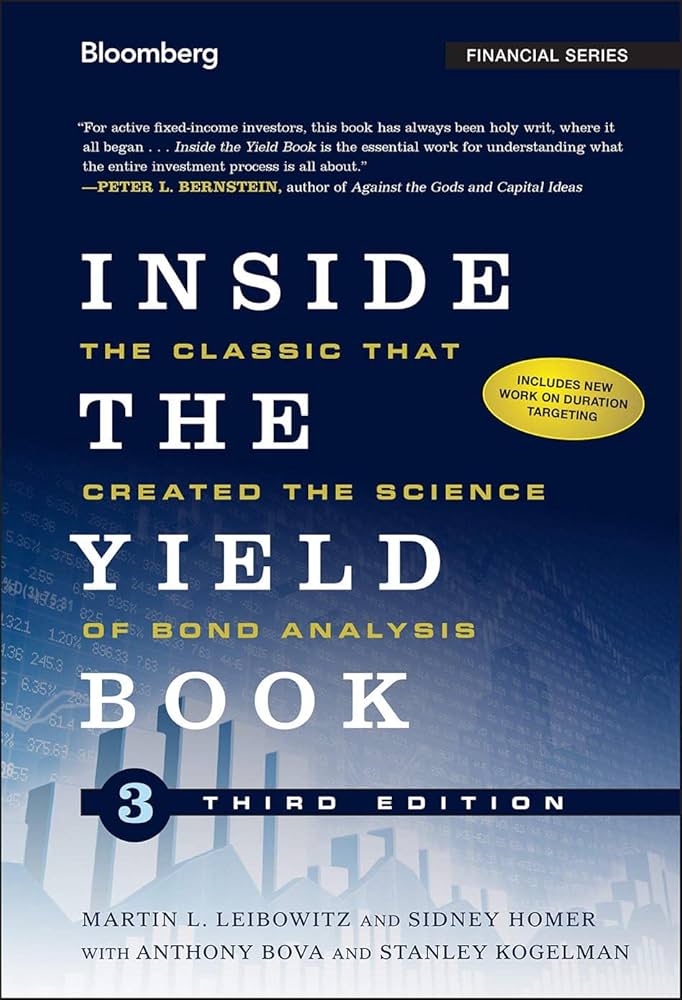
2. MakerDAO sDAI Savings Rate Overview
sDAI offers variable yield backed by MakerDAO’s real-world asset collateralization. The rate fluctuates based on the DAI Savings Rate (DSR) and protocol revenue. For conservative investors in 2026, sDAI provides transparency and lower volatility compared to restaking products, though yields may dip if RWA returns decrease.
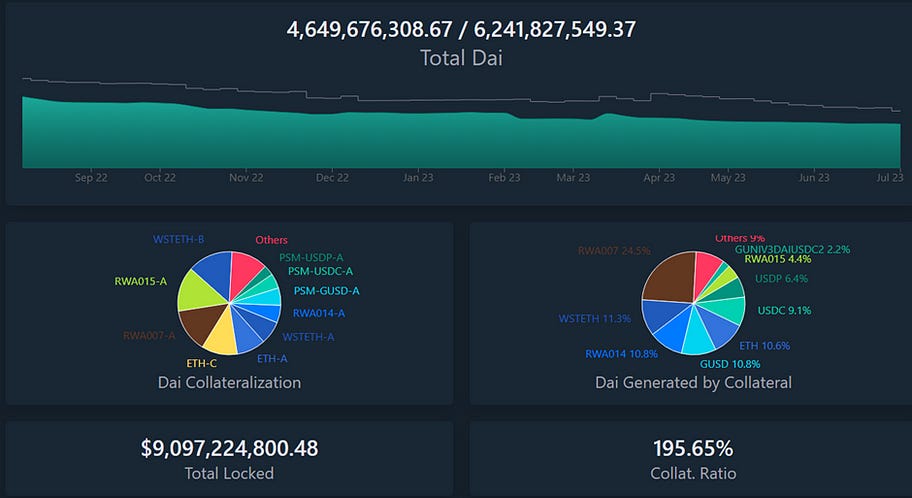
3. Ondo Finance USDY Yield Breakdown
USDY tokenizes U.S. Treasuries, offering yield derived from short-term government debt. In 2026, this provides a regulated, low-volatility alternative to crypto-native yields. Investors benefit from direct exposure to sovereign debt, though regulatory scrutiny on tokenized securities remains a persistent risk factor for long-term holding.
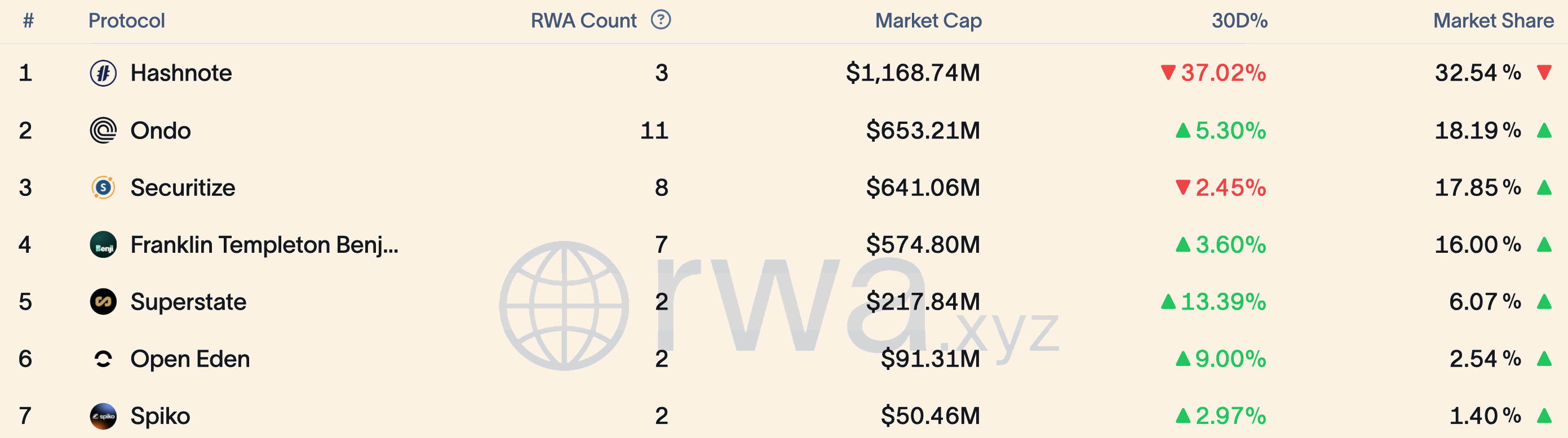
4. Centrifuge GHO Stablecoin Interest Rates
GHO, MakerDAO’s native stablecoin, allows users to earn yield by providing liquidity or staking within the Centrifuge ecosystem. This model links DeFi liquidity to real-world credit assets. In 2026, GHO offers unique yield opportunities tied to invoice financing, though liquidity depth can vary significantly across markets.

5. Goldfinch GFI Protocol Yield Metrics
Goldfinch enables uncollateralized lending to real-world businesses, with GFI token holders earning fees from loan repayments. This high-yield model carries significant credit risk, as defaults directly impact returns. In 2026, investors must carefully assess the protocol’s underwriting standards and historical default rates before allocating capital.

How to choose a safe yield platform
Selecting a platform for stablecoin yield in 2026 requires treating every protocol as a potential counterparty risk, not just a software interface. The era of blind trust in "risk-free" 5% APY is over; today, yields above 10% usually signal exposure to private credit, real-world assets, or complex smart contract layers that can fail during liquidity crunches. To navigate this, you must apply a strict filter to every product you consider, prioritizing transparency over headline numbers.
Start by verifying the reserve backing. Platforms like Ondo Finance’s USDY and MakerDAO’s sDAI rely on specific asset classes—U.S. Treasuries and DAI reserves, respectively. You need to confirm that these reserves are fully backed, audited, and legally ring-fenced from the protocol’s operational risks. If a platform cannot provide real-time, on-chain proof of reserves or clear legal documentation for off-chain assets, it is too risky for capital preservation. The goal is to ensure that if the yield engine stops, your principal remains intact and withdrawable.
Next, evaluate the sustainability of the yield source. As noted in community discussions, many platforms sustain high yields through token emissions that are mathematically impossible to maintain long-term. Ask whether the yield comes from genuine economic activity, such as lending to businesses or holding interest-bearing bonds, or if it is artificially inflated. Products like Staked USDe (sUSDe) generate yield from a diversified basket of assets, offering a more transparent view of where the return originates compared to opaque DeFi pools that rely on volatile trading fees.
Finally, assess the smart contract and operational security. Look for platforms that have undergone multiple independent audits and have active bug bounty programs. In 2026, the threat landscape includes sophisticated oracle manipulations and bridge exploits. A platform’s safety is not just about its yield; it is about its resilience. If a protocol lacks a clear governance structure or has a history of unpatched vulnerabilities, no amount of yield justifies the exposure.
| Feature | sDAI (MakerDAO) | USDY (Ondo Finance) | sUSDe (StakeStone) | Unverified Protocol |
|---|---|---|---|---|
| Yield Source | DAI Savings Rate (Treasuries) | U.S. Treasuries & Repo | Diversified Real-World Assets | Often Opaque/Token Emissions |
| Transparency | High (On-chain verified) | High (Quarterly attestations) | Medium (Aggregate reports) | Low |
| Counterparty Risk | Low (Decentralized) | Medium (Legal entity risk) | Medium (Manager risk) | High |
| Liquidity | Instant (On-chain) | T+1 to T+3 (Redemption) | Variable (Market dependent) | Often Restricted |
| Feature | sDAI | USDY | sUSDe |
|---|---|---|---|
| Yield Source | DAI Savings Rate (Treasuries) | U.S. Treasuries & Repo | Diversified Real-World Assets |
| Transparency | High (On-chain verified) | High (Quarterly attestations) | Medium (Aggregate reports) |
| Counterparty Risk | Low (Decentralized) | Medium (Legal entity risk) | Medium (Manager risk) |
| Liquidity | Instant (On-chain) | T+1 to T+3 (Redemption) | Variable (Market dependent) |
Set up your business savings strategy
Deploying stablecoins for business yield requires a disciplined approach to capital preservation. Unlike traditional banking, there is no FDIC insurance. Your capital is exposed to smart contract risk, regulatory shifts, and protocol insolvency. Proceed with the assumption that any yield is a risk premium, not a guaranteed return.
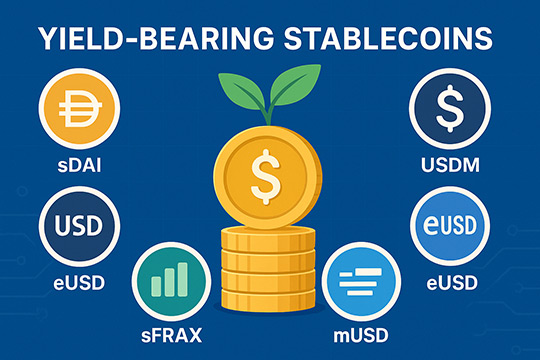
For businesses seeking additional tools to manage digital assets, consider integrating hardware wallets and secure storage solutions to further protect your treasury.



As an Amazon Associate, we may earn from qualifying purchases.
Frequently asked questions about stablecoin yields
Is stablecoin yield safe?
Stablecoin yield is not risk-free. While the token peg may remain stable, the yield-generating protocol faces smart contract, regulatory, and counterparty risks. Products like sUSDe rely on decentralized liquidity pools, while USDY depends on traditional finance custodians. Always verify that the yield source is sustainable above 10% without relying on token emissions, as unsustainable yields often collapse quickly.
How is stablecoin yield taxed?
In 2026, tax authorities generally treat stablecoin yield as ordinary income, similar to interest from a traditional savings account. You must report the fair market value of the yield received at the time of receipt. Platforms like Ledn and Goldfinch may issue tax forms, but it is your responsibility to track these events. Consult a tax professional to ensure compliance with your local jurisdiction’s rules on digital asset income.
Can I withdraw my funds anytime?
Liquidity terms vary significantly by product. sDAI and similar DeFi protocols typically allow instant withdrawals, but you may face temporary congestion during high network activity. In contrast, products like USDY or institutional credit platforms may impose lock-up periods or withdrawal windows. Always check the specific redemption terms before depositing, as illiquidity can trap capital during market stress.
Top picks for passive income
The 2026 stablecoin yield landscape rewards precision over volume. Protocols like sUSDe, sDAI, and USDY dominate because their underlying cash flows—commercial paper, private credit, and real-world assets—are transparent and auditable. These instruments offer yield without the volatility of native crypto tokens, but they carry distinct smart contract and counterparty risks.
Before deploying capital, verify the specific yield source for each asset. sUSDe relies on Ondo Finance’s underlying treasuries, while sDAI derives returns from MakerDAO’s DSR. USDY is backed by short-term US treasuries. Always check the latest documentation, as rates fluctuate with market conditions.
Security is non-negotiable when managing yield-generating assets. Use a hardware wallet to store your principal, ensuring that even if a protocol is compromised, your keys remain offline.


As an Amazon Associate, we may earn from qualifying purchases.
No comments yet. Be the first to share your thoughts!