
What makes yield stable savings different
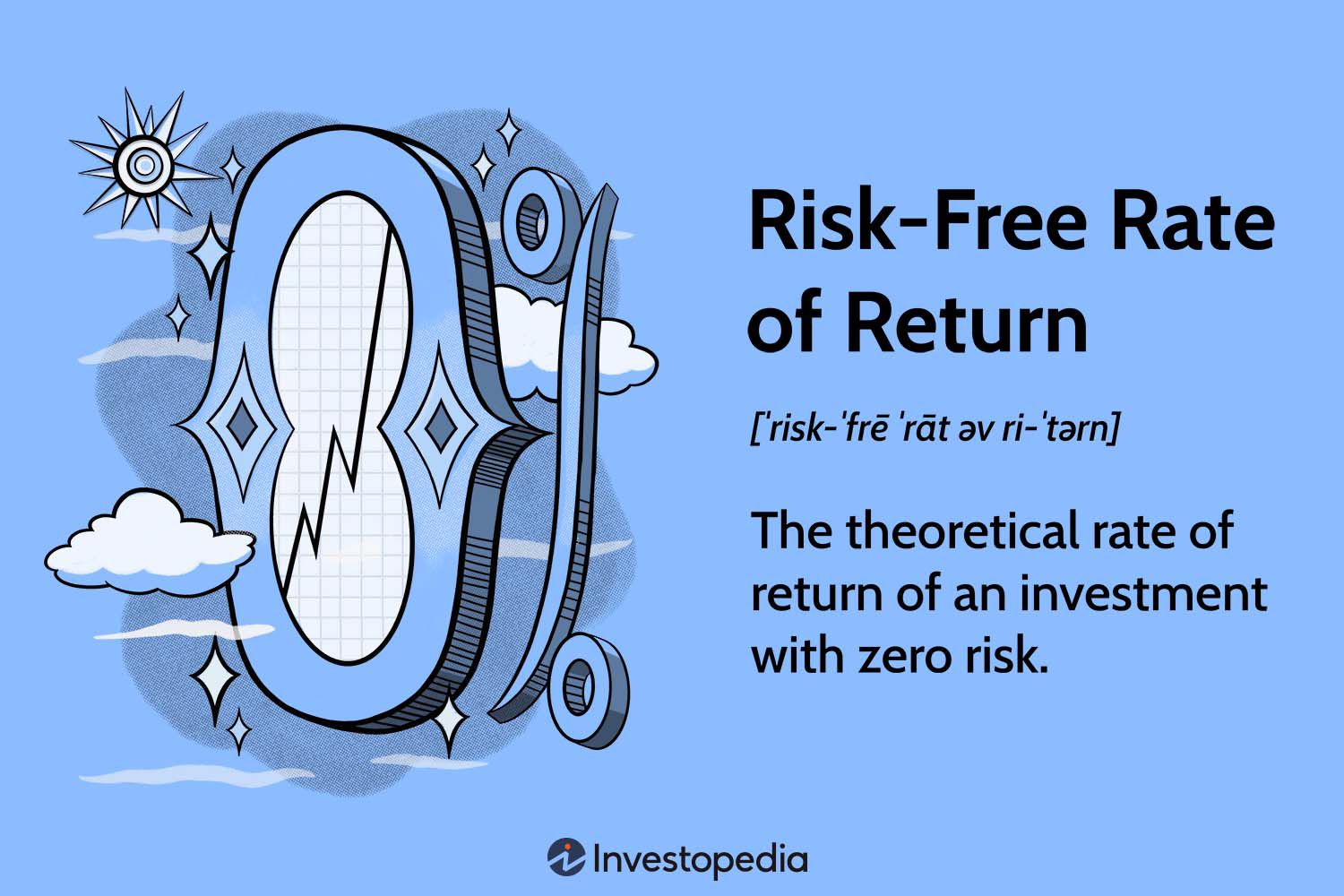
Yield stable savings refers to programs that pay interest on stablecoins—cryptocurrencies pegged to the US dollar. This category sits between traditional bank savings accounts and high-risk decentralized finance (DeFi) farming. Understanding this distinction is the first step in evaluating any product for 2026.
The primary appeal is the yield. Traditional savings accounts often struggle to keep pace with inflation, offering rates that barely cover the cost of living. Stablecoin yield programs, by contrast, can offer significantly higher returns by lending your capital to institutional borrowers or providing liquidity to crypto markets. However, this higher yield comes with a different risk profile.
In a traditional bank, your money is insured up to $250,000. In yield stable savings, you face counterparty risk. If the platform fails or the underlying strategy breaks, you could lose your entire deposit. This is why due diligence is non-negotiable. You must verify the security audits, reserve transparency, and regulatory status of any provider before depositing funds.
Think of yield stable savings like lending money directly to a business, rather than parking it in a vault. You earn interest for taking on the risk that the borrower might default. This model offers liquidity and higher returns than a bank, but it requires you to act as your own bank—checking the books and understanding the risks before you commit.
Top picks for business and personal savings
Finding the right yield stable savings product requires looking past marketing headlines and focusing on the mechanics of the platform. We have evaluated the most established options for 2026, prioritizing those with transparent reserve reporting and clear regulatory standing. The following products represent the current standard for risk-adjusted returns on stablecoins.
SDAI (Savings Dai)
SDAI is the savings version of Dai, the largest decentralized stablecoin on the Ethereum network. Instead of holding raw DAI, users mint sDAI to automatically accrue yield through the MakerDAO protocol’s stability fees. This yield is generated when borrowers pay interest on loans collateralized by assets like Ether or real-world assets, which is then distributed to sDAI holders.
The primary advantage of sDAI is its composability and transparency. Because it is built on Ethereum, it integrates seamlessly with decentralized finance (DeFi) applications, allowing users to use their accrued yield as collateral for other financial products. The rate of return fluctuates based on market demand for Dai, but it generally tracks the broader DeFi lending landscape. Users should verify the current rate on the official MakerDAO platform before depositing.
USDe (Ethena)
USDe is a synthetic dollar issued by Ethena, designed to offer yield by hedging against the volatility of the underlying crypto assets. The protocol generates yield by maintaining a delta-neutral position: it holds stablecoin deposits and shorts the equivalent amount of volatile assets like Ethereum or Bitcoin on perpetual futures markets. This strategy aims to capture funding rates from long positions in the crypto market.
Ethena has gained significant traction for its high yield potential, but the mechanism is more complex than traditional lending. Investors must understand the reliance on funding rates and the insurance fund, which acts as a backstop against market volatility. Due diligence is critical here; users should review Ethena’s published audit reports and insurance fund status regularly to ensure the protocol remains solvent.
sUSDe (Staked USDe)
sUSDe is the staked version of USDe. While USDe itself generates yield through the delta-neutral hedging strategy described above, staking sUSDe adds an additional layer of yield. By locking sUSDe in Ethena’s staking contract, users help secure the network and receive a portion of the protocol’s revenue distribution on top of the base USDe yield.
This product is best suited for investors willing to lock their capital for a set period to maximize returns. The trade-off is liquidity; while USDe can typically be redeemed at any time, sUSDe has a staking period that must be completed before the underlying yield-generating assets are unlocked. Always check the current staking terms and lock-up duration on the Ethena dashboard.
Comparison of Top Yield Stable Savings
The table below summarizes the structural differences between these top picks. Understanding whether the yield comes from lending fees, hedging strategies, or staking rewards is essential for managing risk.
| Product | Issuer/Protocol | Yield Source | Liquidity |
|---|---|---|---|
| SDAI | MakerDAO | Lending Stability Fees | High (Redeemable 1:1) |
| USDe | Ethena | Delta-Neutral Hedging | High (Redeemable 1:1) |
| sUSDe | Ethena | Hedging + Staking Rewards | Medium (Lock-up Period) |
Complementary Security Tools
Managing yield stable savings involves holding digital assets that require secure storage. While the platforms themselves provide custody, using a hardware wallet for long-term holding adds a critical layer of security against exchange hacks or smart contract vulnerabilities. The following tools are recommended for securing your stablecoin holdings and managing your portfolio offline.


As an Amazon Associate, we may earn from qualifying purchases.
How yield stable savings compare to CDs
When building a low-risk portfolio, the choice between yield stable savings and traditional instruments like Certificates of Deposit (CDs) or Money Market Funds often comes down to liquidity versus locked-in rates. Yield stable products are designed to provide positive returns during both falling and rising interest rate environments relative to these alternatives, offering a distinct advantage in volatile markets [[src-serp-3]].
Unlike CDs, which penalize early withdrawal with fixed terms ranging from months to years, yield stable savings maintain high liquidity. This means you can access your principal without the steep fees associated with breaking a CD early. Money Market Funds, while liquid, fluctuate with market conditions and do not always offer the same principal stability that stable value products aim to preserve [[src-serp-4]].
The following table outlines the structural differences between these low-risk options to help you decide where your cash fits best.
| Feature | Yield Stable Savings | Certificates of Deposit (CDs) | Money Market Funds |
|---|---|---|---|
| Interest Rate Stability | Stabilized against market volatility | Fixed for the term | Fluctuates with market rates |
| Liquidity | High; accessible without penalty | Low; early withdrawal fees apply | High; typically no penalty |
| Primary Use Case | Tax-advantaged retirement/education plans | Locked savings with guaranteed yield | Short-term cash management |
For investors prioritizing capital preservation within retirement accounts, stable value funds are often the preferred vehicle for their specific design to minimize risk [[src-serp-5]]. However, for general savings outside of tax-advantaged wrappers, the flexibility of yield stable savings often outweighs the potentially higher, but locked, yields of CDs.
Key risks to watch in 2026
Yield stable savings products offer attractive returns, but they come with distinct risks that traditional bank accounts do not. Understanding these dangers is essential before moving your capital. The primary concerns involve smart contract vulnerabilities, regulatory shifts, and the potential for stablecoins to lose their peg to the dollar.
Smart Contract Risk
Most yield-generating stablecoin products operate on decentralized finance (DeFi) protocols. These protocols rely on code to manage and distribute interest. If that code contains a bug or is exploited by an attacker, funds can be stolen or locked. Unlike a bank, there is no insurance fund to reimburse you if a protocol is hacked. You must carefully review the audit history and security track record of any platform you choose.
Regulatory Uncertainty
The regulatory landscape for digital assets is constantly evolving. Governments may introduce new laws that restrict how stablecoins can be issued or how yield is generated. Such changes could force platforms to shut down or alter their return structures overnight. Staying informed about official regulatory announcements is crucial for protecting your investment.
Stablecoin De-pegging
Stablecoins are designed to maintain a 1:1 value with the US dollar, but this is not guaranteed. Market stress, loss of confidence, or reserve mismanagement can cause a stablecoin to "de-peg," dropping below its intended value. If you hold a de-pegged asset, you may suffer a direct loss even if the yield you earned was high. Always check the reserve backing of the stablecoin you are using.
No Deposit Insurance
A critical distinction between traditional savings and stablecoin yields is the lack of federal insurance. As noted in community discussions, traditional savings accounts are fully insured, whereas stablecoin yield accounts are not. This means you bear the full risk of loss. Due diligence is your only protection.
Frequently asked questions about stable yields
Are stablecoin yields insured by the government?
Traditional savings accounts are fully insured by the FDIC or NCUA, protecting your principal up to legal limits. Stablecoin yield programs, however, are offerings from cryptocurrency trading platforms and are not covered by federal insurance. That is the key difference between these two asset classes. If the platform fails or the stablecoin loses its peg, you can lose your entire deposit. Always verify the regulatory status of the provider before depositing funds.
How are stablecoin yields taxed?
The IRS treats cryptocurrency as property, not currency. This means every yield payment you receive is a taxable event. You must report these earnings as ordinary income on your tax return, typically at your marginal tax rate. Unlike traditional interest which may qualify for specific deductions, stablecoin yields generally do not. Keep detailed records of your deposits, yield receipts, and any trades to ensure accurate reporting.
Can I access my funds immediately?
Liquidity terms vary significantly by provider. Some platforms offer instant redemption, allowing you to withdraw your principal and accrued yields at any time. Others lock your funds for a fixed term to offer higher rates, meaning you cannot access the money without penalty before the maturity date. Check the withdrawal policy explicitly. If you need emergency access to cash, stick to platforms with no lock-up periods.
No comments yet. Be the first to share your thoughts!