
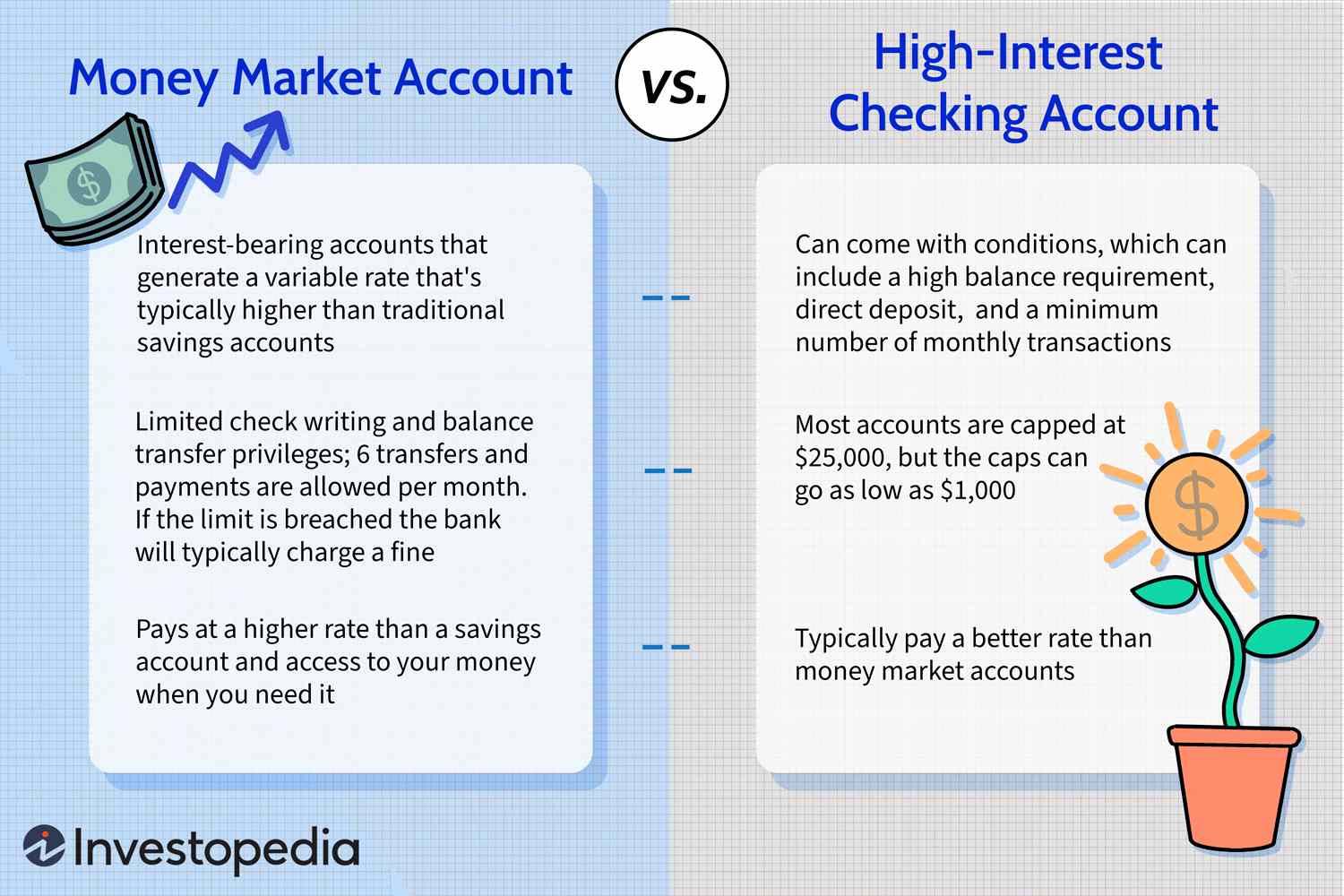
Current high yield savings rates
As of July 2026, the best high yield savings rates are hovering between 4.15% and 4.60% APY. While these numbers remain attractive compared to traditional big-bank accounts, they have cooled slightly from the peaks seen in 2023 as Federal Reserve policy stabilizes. The market is currently segmented: online-only banks and credit unions generally offer the highest returns due to lower overhead, while some specialized accounts for students or specific demographics offer premium tiers.
The table below compares the top-performing accounts available right now. These figures reflect the current Annual Percentage Yields (APY) offered by leading institutions. Note that APYs change frequently based on market conditions, so verifying the live rate before opening an account is essential.
| Bank | APY | Min. Deposit | Monthly Fee |
|---|---|---|---|
| Sallie Mae SmartyPig | 4.60% | $0 | None |
| Forthright Bank | 4.15% | $0 | None |
| CIT Bank | 4.10% | $100 | None |
| Vio Bank | 4.05% | $100 | None |
| Peak Bank | 4.00% | $0 | None |
When choosing between these options, look beyond the headline APY. A higher rate is only valuable if it remains stable and the bank is reputable. All the institutions listed above are FDIC-insured, which protects your principal up to $250,000 per depositor, per insured bank. For most savers, the difference between 4.10% and 4.60% is meaningful over time, but the ease of access and lack of monthly fees are often the deciding factors for liquid emergency funds.
Calculate your savings growth
A high-yield savings account works like a snowball rolling downhill: small monthly additions compound into a substantial pile over time. The difference between a standard bank paying 0.05% APY and a top-tier online account paying 4.15% APY is not just academic—it is the difference between your money sitting idle and working for you. By projecting your specific balance, you can see exactly how much extra income a better rate generates over one, three, or five years.
Use the calculator below to estimate your returns. Enter your initial deposit, monthly contribution, and the current APY to see how your savings grow. Note that these projections assume a fixed rate and consistent contributions, which may vary as the Federal Reserve adjusts benchmark rates throughout 2026.
How to choose the right high yield savings account
Finding a high yield savings account with a competitive APY is only the first step. The best account for you depends on how you plan to use the money and how much stability you need. Online banks often offer higher rates than traditional brick-and-mortar institutions because they have lower overhead costs. However, this doesn't mean you should chase the highest number on the screen without looking at the fine print.
When comparing high yield savings accounts, look beyond APY to consider what features and benefits might fit your needs. A rate that changes daily can be hard to budget for, while an account with monthly maintenance fees can quickly eat into your earnings. You should also evaluate the ease of access. If you need to withdraw funds quickly for an emergency, an online-only bank might require a few days for transfers to clear, whereas a local credit union might offer immediate access through ATMs.
Another critical factor is the account minimum. Some high-yield accounts require a substantial initial deposit to open, while others allow you to start with just a few dollars. If you are building your savings from zero, a low minimum is essential. Conversely, if you already have a significant sum, you might prioritize an account with no monthly fees and a robust mobile app for managing your finances.
Finally, consider the bank's reputation and customer service. While online banks are convenient, having access to responsive support can be crucial if you encounter issues with transfers or account access. Read reviews and check the bank's standing with the Consumer Financial Protection Bureau (CFPB) to gauge their reliability. A slightly lower APY from a well-regarded institution with excellent service is often a safer and more practical choice than a high rate from a bank with poor customer support.
| Feature | Online Bank | Traditional Bank |
|---|---|---|
| Typical APY | Higher | Lower |
| Fees | Rarely | Common |
| In-Person Access | None | Yes |
| FDIC Insurance | Yes | Yes |
To help you decide, use the calculator below to estimate how much you might earn with different APYs and initial balances. This can help you see the real-world impact of choosing a higher-rate account over a lower one.
Ultimately, the right high yield savings account balances safety, accessibility, and return. Don't let a high APY blind you to hidden fees or poor customer service. Take the time to compare a few options, check their insurance status, and ensure they align with your financial habits.
Top picks for different needs
Choosing the right high-yield savings account depends less on the headline APY and more on how you plan to use your money. A single rate doesn't fit every financial scenario, so we've segmented the best options for July 2026 by specific user goals. Whether you are building an emergency fund, saving for a specific purchase, or managing a large balance, the following picks align with distinct financial behaviors.
Best for beginners and direct deposit
For those new to high-yield savings or looking to automate their savings, Ally Bank offers a frictionless experience. The account requires no minimum deposit to open, removing the initial barrier to entry. The primary value proposition is the "Round Ups" feature, which automatically rounds up debit card transactions to the nearest dollar and transfers the spare change into your savings. This behavioral nudge helps beginners accumulate funds without active effort.
Ally also offers a promotional APY structure that rewards direct deposit. New customers can earn a higher rate on balances up to $5,000 if they set up qualifying direct deposits. This makes it an ideal starting point for individuals who want to build a savings habit while earning competitive interest on smaller balances.
Best for goal-based saving
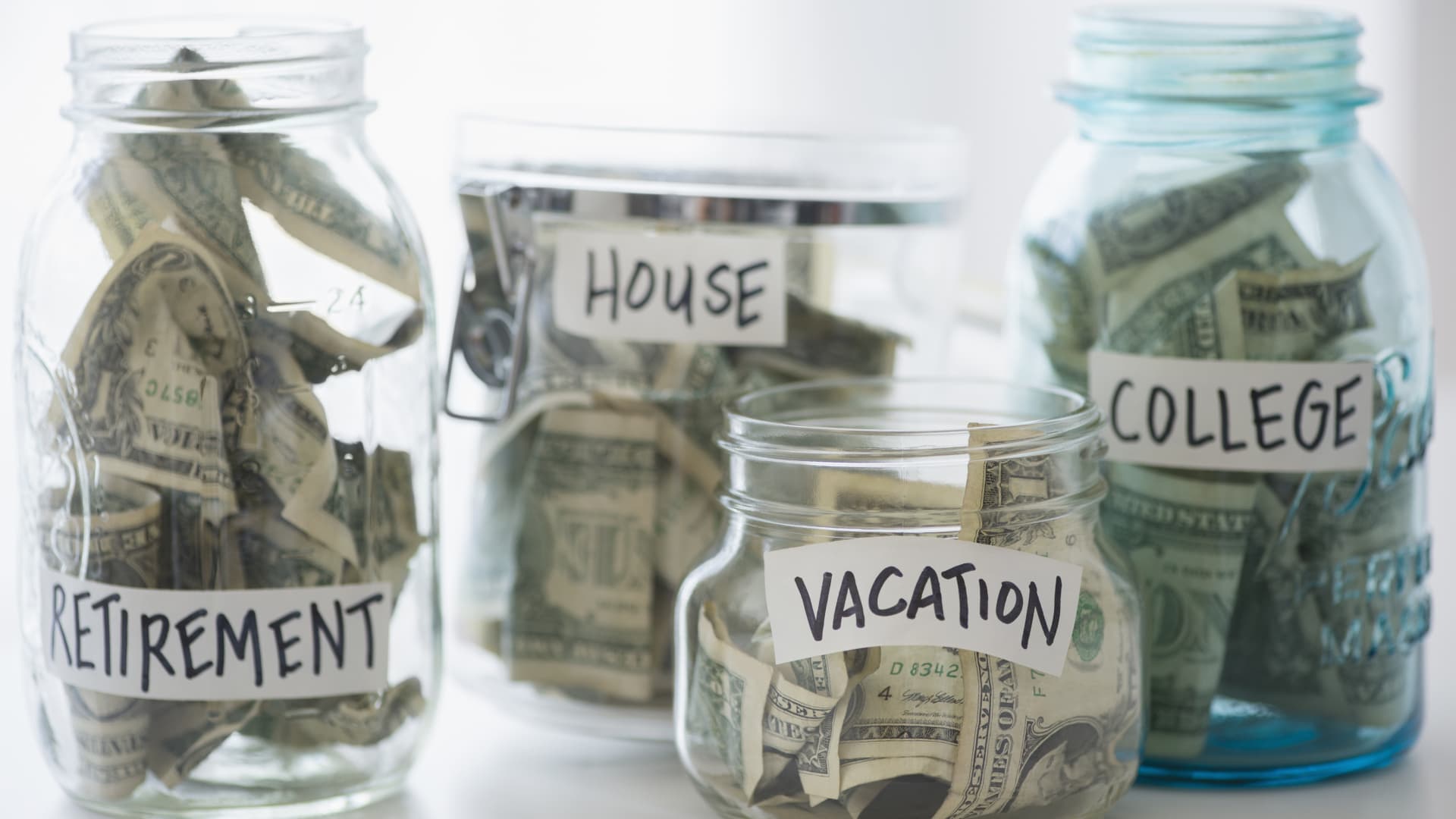
Sallie Mae Bank's SmartyPig account is designed for segmented saving rather than a single lump sum. The platform allows you to create multiple sub-accounts for specific goals, such as a vacation, a new car, or holiday gifts. Each sub-account can have its own name, target amount, and visual progress bar, providing psychological motivation to stay on track.
This structure is particularly effective for those who struggle with the temptation to dip into a general savings pool. By isolating funds for specific purposes, you reduce the cognitive load of saving. SmartyPig also offers competitive rates that adjust with the market, ensuring your goal money grows steadily without the complexity of managing multiple traditional accounts.
Best for high balances
When you have a substantial amount of cash, even a fraction of a percentage point in APY makes a significant difference. Marcus by Goldman Sachs is a strong contender for high-balance savers due to its straightforward, high-rate structure without tiered complexities. The account does not charge monthly maintenance fees, which can erode returns on large balances at traditional brick-and-mortar banks.
Marcus also integrates with the broader Goldman Sachs ecosystem, offering easy access to other financial products if needed. For savers with balances exceeding $100,000, the consistency of the rate and the lack of hidden fees make it a reliable parking spot for emergency funds or short-term cash reserves that need to be FDIC-insured and liquid.


As an Amazon Associate, we may earn from qualifying purchases.
Savings rate questions answered
Interest rate forecasts for 2026 are shaped by Federal Reserve policy and inflation data. While rates remain elevated compared to the last decade, they are not static. Understanding how these changes affect your specific situation helps you choose the right account for your goals.
Tradeoffs by use case
Choosing the right account depends on your timeline and risk tolerance. High-yield savings accounts provide immediate access to your funds without penalty, making them ideal for emergency reserves. However, the variable nature of their rates means your earnings can decrease if the Fed cuts interest rates.
Certificates of deposit (CDs) offer fixed rates for a set term, protecting you from future rate drops. The tradeoff is reduced liquidity; withdrawing early usually incurs a penalty. Treasury bills are another low-risk option, often offering competitive rates with state and local tax exemptions, but they require managing multiple maturities.
Clear decision
If you need your money available at any time, stick with a high-yield savings account. If you can lock away funds for six months or a year, a CD or T-bill might offer a slightly better rate with more predictability. Monitor Fed announcements quarterly to decide if it is time to move your savings to a new account or instrument.
No comments yet. Be the first to share your thoughts!