
Choose your savings vehicle
Deciding between a traditional high-yield savings account (HYSA) and a stablecoin yield program depends on how quickly you need access to your funds and how much risk you are willing to take. HYSAs offer FDIC insurance and immediate liquidity, making them ideal for emergency funds. Stablecoins often provide higher APYs but lack government insurance and may have withdrawal delays or smart contract risks.
Compare HYSAs vs Stablecoin Yields
| Feature | High-Yield Savings Account (HYSA) | Stablecoin Yield Program |
|---|---|---|
| Typical APY | 4.00% - 5.00% (FDIC-insured) | 3.00% - 8.00% (Variable, uninsured) |
| Insurance | Yes (up to $250k via FDIC/NCUA) | No (Smart contract risk) |
| Liquidity | Instant (ACH transfers take 1-3 days) | Instant (on-chain) or 1-7 days (DeFi locks) |
| Minimum Deposit | $0 - $100 | $0 - $10 (varies by protocol) |
| Regulatory Oversight | High (Banking regulations) | Low (Decentralized/Unregulated) |
| Feature | HYSA | Stablecoin Yield |
|---|---|---|
| APY Range | 4.00% - 5.00% | 3.00% - 8.00% |
| Insurance | FDIC/NCUA | None |
| Liquidity | 1-3 days | Instant to 7 days |
| Min Deposit | $0 - $100 | $0 - $10 |
Evaluate Your Risk Tolerance
If you prioritize safety and simplicity, an HYSA is the better choice. Banks like Varo and Ally currently offer rates around 5.00% APY, which is competitive and backed by federal insurance. This is suitable for short-term goals like a vacation fund or a down payment. However, if you are comfortable with the possibility of losing principal due to protocol failures or de-pegging, stablecoin yields on platforms like Aave or Morpho can offer higher returns.
Check Liquidity Needs
Consider how often you might need to access your money. HYSAs allow you to withdraw funds via bank transfer, which typically takes 1-3 business days to clear. Stablecoins can be sent instantly across the globe, but moving them back to a fiat bank account may involve exchange processing times or fees. For daily spending money, an HYSA or a cash management account is more practical. For longer-term parking of capital where you understand the risks, stablecoins may be appropriate.
Open a high-yield savings account
Opening a high-yield savings account is a straightforward process that typically takes less than ten minutes. Unlike traditional brick-and-mortar banks, most competitive HYSA providers operate entirely online, which keeps their overhead costs low and allows them to pass those savings to you in the form of higher interest rates.
Before you begin, ensure you have your government-issued ID, Social Security number, and a funding source ready. You will also need to verify the current annual percentage yield (APY) for the account you are choosing, as rates fluctuate frequently with the Federal Reserve's benchmark rates.
Start by scanning the top-performing rates for May 2026. As of early 2026, the best high-yield savings accounts in the U.S. offer rates several times higher than the national average of roughly 0.40%. Look for institutions offering rates near 5.00%, though be aware that some top-tier rates may be capped or apply only to the first $5,000 deposited.

Once you have identified a competitive rate, verify that the bank is FDIC-insured. This insurance protects your deposit up to $250,000 per depositor, per insured bank, in the event of a bank failure. Most reputable online banks display this status prominently on their homepage or terms of service page.
Navigate to the bank’s application portal and fill in your personal details. You will need to provide your full legal name, address, date of birth, and Social Security number. The bank will use this information to verify your identity and comply with federal "Know Your Customer" regulations.
After approval, link your existing checking account to serve as your funding source. Most banks require an initial deposit ranging from $0 to $100 to activate the account. You can typically transfer funds immediately, though it may take 1-3 business days for the money to clear and become available for withdrawal.
Once your account is active, log in to your new dashboard to confirm the APY is displaying correctly. Set up automatic transfers from your primary checking account to ensure consistent savings growth without manual effort. This automation turns your account into a "set it and forget it" engine for building your financial cushion.
Deploy stablecoins for yield
Earning yield on stablecoins like USDC or DAI requires moving funds from a passive wallet into a lending protocol or exchange program. The process is straightforward, but it introduces smart contract risk and regulatory uncertainty that traditional savings accounts do not have. This guide walks through the technical steps to deploy your capital safely.
1. Choose a reputable yield platform
Before moving funds, select a platform with a proven track record. Major decentralized lending protocols like Aave and Compound allow you to supply stablecoins directly to liquidity pools. Centralized exchanges often offer "Earn" programs that lend your coins to institutional borrowers. Verify that the platform has undergone third-party security audits and has sufficient total value locked (TVL) to ensure liquidity.
2. Connect your wallet securely
If using a decentralized platform, connect your non-custodial wallet (such as MetaMask or Rabby) to the protocol’s website. Never share your private keys or seed phrase. Ensure you are on the official URL to avoid phishing sites. For centralized exchanges, complete any required identity verification (KYC) steps before accessing yield features.
3. Approve and supply your stablecoins
Navigate to the deposit or supply section of the platform. Select the stablecoin you wish to yield-generate (e.g., USDC or DAI). You will first need to approve the smart contract to spend your tokens, which requires a small gas fee. Once approved, enter the amount to deposit and confirm the transaction. Your funds will begin earning yield immediately or according to the platform’s compounding schedule.
4. Monitor and manage your position
Yield rates fluctuate based on market demand. Log in regularly to check your earnings and the platform’s health. If the platform introduces new features or if you need to withdraw funds, you can redeem your stablecoins at any time, subject to the protocol’s withdrawal rules. Keep an eye on regulatory news, as changes in stablecoin laws can impact yield availability.
Decide between decentralized protocols for maximum control or centralized exchanges for ease of use. Compare APYs across Aave, Compound, and major exchanges to find the best current rate for your chosen stablecoin.
Transfer USDC or DAI from your primary holdings to the wallet connected to your chosen yield platform. Ensure you have enough native token (like ETH) for gas fees if using a decentralized protocol.
Navigate to the supply interface, select your asset, and approve the contract. Confirm the transaction and wait for blockchain confirmation. Your yield will start accruing based on the platform’s interest rate model.
Avoid common yield traps
High APY numbers look attractive, but yield stable savings strategies often hide structural risks. Platforms advertising double-digit returns are frequently passing through volatile crypto yields or relying on unsustainable lending spreads. In 2026, the gap between advertised yields and actual sustainable returns has widened, making due diligence more critical than ever.
Watch for yield churning
Yield churning occurs when platforms rotate through high-risk assets to maintain payouts, leaving depositors exposed to sudden de-pegging or smart contract failures. If a platform’s yield source isn’t transparent or relies on leveraged positions, the yield is likely a trap. Stick to programs with clear, audited yield sources like treasury bills or regulated lending pools.
Check platform solvency and insurance
Not all yield providers are backed by FDIC insurance. Crypto-based stablecoin yield programs, for example, often lack traditional deposit insurance and are subject to different regulatory scrutiny. Before depositing, verify if the platform has undergone a third-party audit and whether any portion of your deposit is covered by insurance or collateral reserves.
Monitor regulatory changes
Legislation can shift the yield landscape overnight. The White House has noted that stablecoin yield mechanisms are increasingly similar to traditional savings accounts, meaning future regulations could cap returns or restrict access. Stay informed about pending legislation that could impact how yields are generated or distributed.
-
Verify platform insurance coverage
-
Review third-party audit reports
-
Confirm liquidity terms and withdrawal limits
Check if your deposit is covered by FDIC, SIPC, or a private insurance fund. Note that crypto yield programs typically lack these protections.
Look for recent, independent security audits. Ensure the audit covers smart contracts and reserve backing if using a crypto platform.
Understand withdrawal limits, lock-up periods, and any fees for early access. Ensure your funds remain accessible when you need them.
Track your savings performance
Yield stable savings are not a set-it-and-forget-it account. The interest rates backing these accounts fluctuate with the broader market. To ensure your money is working as hard as possible, you need to monitor your portfolio and rebalance when conditions change.
Check your dashboard weekly
Log in to your STABLE Account dashboard at least once a week. Look for changes in the annual percentage yield (APY) for your specific state’s investment option. If the rate drops significantly compared to the historical average, it may be time to review your allocation.

Open the dashboard and note the current APY. Compare it to the 30-day average shown in the historical performance chart. A drop of more than 20 basis points warrants attention.
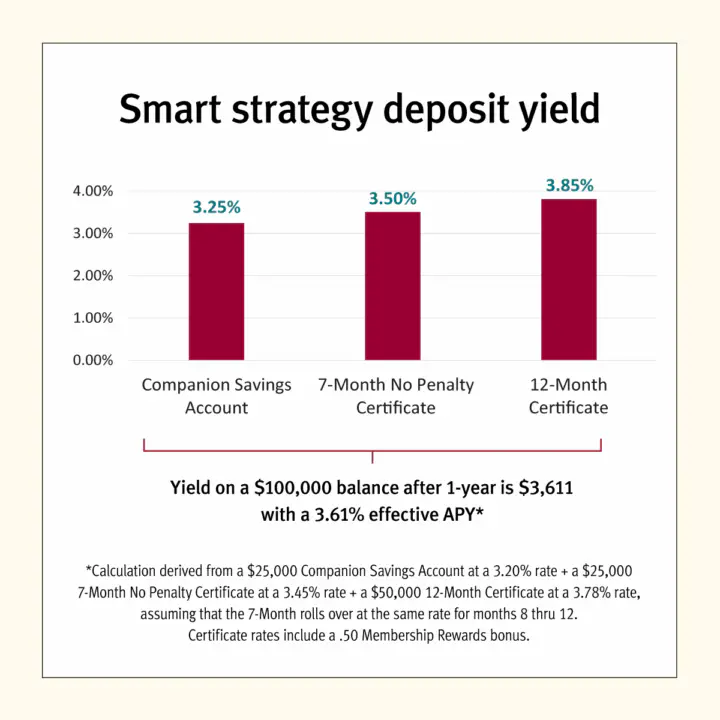
Check the Federal Reserve’s latest interest rate decision. If rates are holding steady, your yield should remain stable. If cuts are expected, consider locking in a longer-term fixed option if available.
If your current yield is underperforming, move funds to a higher-yielding bucket within the account. Ensure you stay within any state-specific contribution limits or investment caps.
Monitor historical performance
Don’t rely solely on current rates. Look at the historical performance data for your state. This helps you understand the long-term trend and whether current yields are outliers or the new normal.


As an Amazon Associate, we may earn from qualifying purchases.
Set up alerts
Most dashboards allow you to set email or push notifications for rate changes. Set an alert for when your yield drops below a certain threshold. This ensures you don’t miss opportunities to rebalance without needing to check the app daily.
Frequently asked: what to check next
No comments yet. Be the first to share your thoughts!